

Key Takeaways:
- Muscle Fatigue: Beta-alanine increases muscle carnosine concentrations, which may improve tolerance to the acidity associated with sustained high-intensity exercise.
- Performance Benefits: Research suggests beta-alanine may improve exercise capacity during efforts lasting approximately one to four minutes, although results vary by activity and training status.
- Lactate Threshold: Increased muscle buffering capacity does not necessarily raise lactate threshold. Evidence for a direct improvement remains limited and inconsistent.
Can beta-alanine delay muscle fatigue and improve lactate threshold? Beta-alanine supplementation increases muscle carnosine, which helps buffer acidity during intense exercise. This may improve performance during sustained or repeated high-intensity efforts, but evidence that beta-alanine directly raises lactate threshold remains inconsistent.
BRL Sports develops research-informed endurance supplements with an emphasis on ingredient quality and athlete safety. Established in 2008 by UC San Diego bioengineers, the company uses peer-reviewed research to guide ingredient selection and third-party testing to assess product quality and banned-substance risks. This approach supports evidence-based discussions of performance ingredients such as beta-alanine.
This article examines beta alanine benefits, how carnosine supplementation may influence muscle fatigue, and whether the available evidence supports improvements in lactate threshold.

What Are the Benefits of Beta-Alanine for Athletes?
Beta-alanine may improve high-intensity exercise capacity and help delay fatigue during demanding efforts. Its primary benefit comes from increasing muscle carnosine concentrations, which support the body's ability to buffer acidity during intense muscular activity. However, beta alanine benefits are less consistent during prolonged, steady-paced endurance exercise.
Research on beta alanine for athletes suggests three potential applications:
- High-intensity exercise capacity: Supplementation may improve performance during demanding efforts lasting approximately one to four minutes, when muscle acidity can contribute to fatigue.
- Repeated hard efforts: Athletes performing intervals or repeated intense bouts may benefit from increased muscle buffering capacity, although performance improvements are not guaranteed.
- Training tolerance: Greater buffering capacity may help athletes sustain certain high-intensity workloads, but evidence that supplementation produces better long-term training adaptations remains limited.
Beta-alanine is not an immediate performance stimulant. Muscle carnosine concentrations increase gradually with consistent supplementation over several weeks, making regular intake more relevant than taking a single dose before exercise.
The Beta Alanine ingredient profile from BRL Sports provides additional ingredient information. For endurance athletes, beta-alanine is most relevant when training or competition includes sustained high-intensity efforts rather than exclusively low-intensity aerobic activity.
How Does Beta-Alanine Help Delay Muscle Fatigue?
Beta-alanine may delay muscle fatigue by increasing carnosine concentrations in skeletal muscles. Carnosine helps buffer hydrogen ions that accumulate during intense exercise, limiting the decline in muscle pH that can interfere with contraction and energy production. However, muscle acidity is only one contributor to fatigue, so increased buffering capacity does not eliminate fatigue.
How Does Carnosine Buffer Muscle Acidity?
During high-intensity exercise, rapid ATP turnover contributes to hydrogen ion accumulation. As muscle pH decreases, certain processes involved in force production become less efficient. Carnosine helps regulate this change by binding hydrogen ions within muscle cells.
Carnosine supplementation through beta-alanine intake works gradually. Beta-alanine is a limiting precursor for muscle carnosine synthesis, and consistent supplementation over several weeks can increase muscle carnosine stores. This explains why a single pre-workout dose is unlikely to provide the same buffering benefit.
Does Beta-Alanine Prevent Muscle Cramps?
No. Beta-alanine has not been established as a method for preventing exercise-associated muscle cramps. Fatigue and cramping are related but distinct problems, and cramps involve factors beyond changes in muscle acidity.
BRL Sports' explanation of what causes exercise cramps provides additional context on cramping during physical activity.
The relationship between beta alanine muscle fatigue and carnosine buffering is supported by physiological research, but actual performance benefits depend on exercise intensity, duration, and individual response.

Can Beta-Alanine Improve Lactate Threshold?
Beta-alanine may improve tolerance to high-intensity exercise, but evidence that it directly increases lactate threshold remains limited. Although supplementation raises muscle carnosine levels and improves intracellular buffering capacity, these changes do not necessarily shift the exercise intensity at which blood lactate begins accumulating more rapidly.
Why Is Lactate Threshold Different From Muscle Buffering?
Lactate threshold reflects the relationship between lactate production and clearance as exercise intensity increases. Muscle buffering, meanwhile, helps regulate changes in acidity during intense contractions.
This distinction matters because lactate itself is not simply a waste product that causes fatigue. It can also serve as an energy source. Beta-alanine does not directly remove lactate from muscles, and improvements in buffering capacity should not be interpreted as proof of a higher lactate threshold.
What Actually Improves Lactate Threshold?
Structured endurance training has stronger evidence for improving lactate threshold than beta-alanine supplementation. Relevant approaches include:
- Threshold intervals: Sustained efforts near lactate threshold that develop the ability to maintain demanding aerobic workloads.
- High-intensity repeats: Sessions such as 1K repeats to increase lactate threshold, with intensity and recovery adjusted to the athlete's training level.
- Sport-specific conditioning: Swimming programs can use progressively structured sets, as discussed in BRL Sports' swimmers' lactate threshold plan.
For athletes researching beta alanine lactate threshold effects, the practical distinction is clear: beta-alanine may support performance during certain high-intensity efforts, while training remains the primary method for developing lactate-threshold capacity.

Final Thoughts
Beta-alanine may help delay muscle fatigue during sustained or repeated high-intensity exercise by increasing muscle carnosine levels and improving acidity buffering. However, these beta alanine benefits do not establish a direct improvement in lactate threshold.
For athletes, beta-alanine supplementation is most relevant to efforts where muscle acidity contributes to performance limitations. Structured training remains the more established approach to improving lactate threshold, while supplementation may offer additional benefits depending on exercise demands.
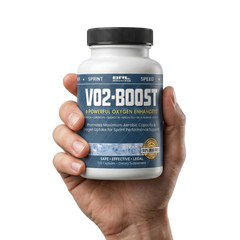
BRL Sports includes beta-alanine among the ingredients listed in its VO2-Boost ingredient breakdown. Its inclusion reflects a potential role in supporting high-intensity exercise capacity, but evidence for beta-alanine alone does not establish the effectiveness of the complete formulation.
Frequently Asked Questions About Beta Alanine Benefits
How long does beta-alanine take to work?
Beta-alanine typically requires several weeks of consistent supplementation to meaningfully increase muscle carnosine levels. Studies commonly examine supplementation periods of four to eight weeks, although individual responses and performance outcomes vary.
Should athletes take beta-alanine before or after exercise?
Beta-alanine does not need to be taken immediately before exercise to support muscle carnosine accumulation. Consistent daily intake is more important than workout timing because its primary effect develops gradually.
What is the recommended beta-alanine dosage for athletes?
Research commonly uses approximately 3.2–6.4 grams daily, often divided into smaller doses. Appropriate intake depends on individual circumstances, and athletes should consult a qualified healthcare professional before starting supplementation.
Does beta-alanine cause tingling?
Yes. Beta-alanine can cause paresthesia, a temporary tingling or prickling sensation, particularly after larger single doses. Smaller divided doses or sustained-release formulations may reduce this effect.
Is beta-alanine the same as creatine?
No. Beta-alanine increases muscle carnosine levels to support acidity buffering, while creatine increases muscle phosphocreatine availability to support rapid ATP regeneration. Their mechanisms and most relevant exercise applications differ.
Can beta-alanine improve marathon performance?
Evidence that beta-alanine directly improves marathon performance is limited. Its potential benefits are more closely associated with sustained high-intensity efforts than prolonged exercise performed primarily at aerobic intensities.
Does beta-alanine reduce blood lactate levels?
Not consistently. Beta-alanine increases muscle buffering capacity rather than directly reducing lactate production or accelerating lactate clearance. Changes in blood lactate measurements do not necessarily indicate improved performance.
Is beta-alanine safe for competitive athletes?
Beta-alanine is generally well tolerated at commonly studied doses, with temporary tingling being a frequently reported side effect. It is not generally prohibited in competitive sports, but athletes should check current anti-doping regulations and prioritize independently tested supplements.
Sources:
- Harris, R. C., Tallon, M. J., Dunnett, M., Boobis, L., Coakley, J., Kim, H. J., Fallowfield, J. L., Hill, C. A., Sale, C., & Wise, J. A. (2006). The absorption of orally supplied beta-alanine and its effect on muscle carnosine synthesis in human vastus lateralis. Amino Acids, 30(3), 279–289. https://doi.org/10.1007/s00726-006-0299-9
- Hobson, R. M., Saunders, B., Ball, G., Harris, R. C., & Sale, C. (2012). Effects of β-alanine supplementation on exercise performance: A meta-analysis. Amino Acids, 43(1), 25–37. https://doi.org/10.1007/s00726-011-1200-z
- Saunders, B., Elliott-Sale, K., Artioli, G. G., Swinton, P. A., Dolan, E., Roschel, H., Sale, C., & Gualano, B. (2017). β-Alanine supplementation to improve exercise capacity and performance: A systematic review and meta-analysis. British Journal of Sports Medicine, 51(8), 658–669. https://doi.org/10.1136/bjsports-2016-096396