

Key Takeaways:
- Antioxidant Activity: Green tea catechins have antioxidant properties and may influence exercise-related oxidative stress, although antioxidant effects do not automatically improve athletic performance.
- Metabolic Efficiency: Research suggests green tea catechins may affect fat oxidation during exercise, but increased fat utilization does not necessarily mean greater metabolic efficiency.
- Endurance Performance: Human studies have produced mixed results, making it important to distinguish changes in metabolism from measurable improvements in endurance capacity.
Can green tea catechins benefits extend beyond antioxidant activity to support endurance training? Catechins are naturally occurring compounds found in green tea, with epigallocatechin gallate (EGCG) among the most extensively studied. Researchers have investigated their potential influence on oxidative stress, fat metabolism, and exercise-related physiological responses.
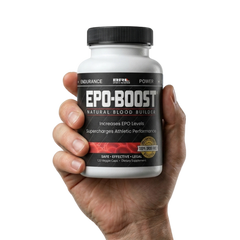
BRL Sports incorporates catechins into its research-informed approach to endurance supplementation. Their inclusion in VO2-Boost reflects scientific interest in plant-derived compounds associated with metabolic processes relevant to sustained exercise.
This article examines how green tea catechins relate to metabolic efficiency, what human research suggests about endurance performance, and why these findings matter for athletes evaluating supplementation.

What Are the Benefits of Green Tea Catechins for Athletes?
Green tea catechins benefits for athletes are primarily associated with antioxidant activity and their potential influence on exercise-related cellular stress. Epigallocatechin gallate (EGCG), one of the most studied catechins, has attracted attention for its effects on pathways involved in cellular protection.
Antioxidant Activity During Exercise
Strenuous exercise increases reactive oxygen species, which play a role in normal training adaptations but can contribute to cellular stress when produced excessively.
Catechins have been investigated for their ability to influence oxidative stress and inflammatory signaling. This makes them relevant to research on antioxidants for athletes, particularly during demanding training periods.
Other plant compounds have distinct antioxidant properties, as outlined in the Lycopene antioxidant profile and Lutein antioxidant profile.
Potential Benefits Beyond Antioxidant Protection
Catechins are also being studied for their influence on cellular processes involved in energy metabolism. This research is particularly relevant to endurance athletes, whose muscles require sustained energy production during prolonged exercise.
The Catechins ingredient profile provides additional information about the ingredient's proposed functions and relevance to sports supplementation.
These properties provide a scientific rationale for investigating green tea catechins in athletic populations, while measurable performance outcomes require separate evaluation.
How Do Green Tea Catechins Affect Metabolic Efficiency During Exercise?
Green tea catechins may influence how the body uses fat and carbohydrates during exercise. Research suggests certain green tea extracts can increase fat oxidation, although this does not necessarily improve overall metabolic efficiency.
During endurance exercise, muscles use both carbohydrates and fats for energy. The proportion depends on exercise intensity, duration, training status, and nutrition. Some human studies have observed increased fat utilization following green tea extract supplementation, particularly during moderate-intensity exercise.
Catechins, especially EGCG, have also been investigated for their effects on cellular energy regulation and mitochondrial signaling. Laboratory findings suggest potential metabolic effects, but comparable improvements in trained athletes have not been consistently demonstrated.
These findings help explain the interest in catechins metabolic efficiency research. Catechins are among the ingredients featured in the VO2-Boost ingredient breakdown, reflecting their relevance to endurance-focused formulations.
The important distinction is that greater fat oxidation does not automatically mean improved exercise efficiency or endurance performance. Those outcomes require separate testing.

Can Green Tea Extract Improve Endurance Performance?
Green tea extract has shown potential to influence exercise metabolism, with some studies reporting increased fat oxidation during physical activity. Its effects on measurable endurance performance, however, have been less consistent.
Human research has examined whether catechin supplementation improves exercise capacity, aerobic fitness, and time-trial performance. While some findings suggest modest benefits under specific conditions, other studies involving trained athletes have found little or no improvement.
These differences matter because endurance performance depends on more than fuel utilization. Aerobic capacity, exercise economy, training adaptations, and carbohydrate availability all influence how effectively athletes sustain prolonged effort.
Research into green tea extract endurance outcomes therefore provides a useful distinction: catechins have identifiable metabolic activity, but their performance benefits depend on the outcome being measured.
For runners evaluating supplementation, the Best running supplements guide offers additional context for comparing ingredients with different roles in endurance training.
Catechins remain relevant to research-informed sports nutrition because of their potential metabolic effects, even as further human research is needed to establish consistent improvements in endurance performance.

Final Thoughts
Green tea catechins benefits extend beyond antioxidant activity, with research examining their potential influence on fat metabolism and cellular energy regulation. These properties make catechins relevant to endurance nutrition and sustained exercise.
Research on green tea catechins athletes use in endurance training focuses on potential metabolic effects rather than guaranteed performance improvements. BRL Sports includes catechins in VO2-Boost as part of its research-informed ingredient selection, complementing established training, nutrition, and recovery practices.
Frequently Asked Questions About Green Tea Catechins Benefits
What is the difference between green tea catechins and green tea extract?
Catechins are naturally occurring compounds in green tea, including EGCG. Green tea extract is a concentrated preparation that may contain varying amounts of catechins, caffeine, and other substances, depending on its formulation.
Which green tea catechin is most studied for exercise benefits?
Epigallocatechin gallate (EGCG) is among the most extensively researched catechins. Studies have examined its antioxidant activity, metabolic signaling, and potential effects on exercise-related physiological responses.
Does green tea extract contain caffeine?
Some green tea extracts contain caffeine, while others are decaffeinated. Athletes should check product labels because caffeine content can affect stimulant intake, sleep, and exercise responses.
Can green tea catechins help athletes burn more fat during exercise?
Some human studies suggest that certain green tea extracts may increase fat oxidation during exercise. However, the effect varies across studies and does not necessarily lead to greater fat loss or improved athletic performance.
How long does green tea catechin supplementation take to work?
Studies have examined both single-dose and multiweek supplementation. The timeframe depends on the formulation and outcome measured, and no consistent period has been established for noticeable endurance benefits.
Are green tea catechin supplements safe for daily use?
Catechins consumed in brewed green tea are generally well tolerated. Concentrated green tea extracts require greater caution because high EGCG exposure has been associated with liver injury. Athletes should follow product directions and avoid assuming higher doses are better.
Should athletes take green tea catechins before or after exercise?
There is no established optimal timing for improving endurance performance. Research protocols vary, and any timing recommendation should account for the specific formulation, caffeine content, and product instructions.
Can green tea catechins replace carbohydrates during endurance training?
No. Catechins do not provide a substitute for carbohydrate fueling during prolonged exercise. Athletes should continue meeting their energy and carbohydrate needs according to training intensity and duration.
Sources:
- Venables, M. C., Hulston, C. J., Cox, H. R., & Jeukendrup, A. E. (2008). Green tea extract ingestion, fat oxidation, and glucose tolerance in healthy humans. The American Journal of Clinical Nutrition, 87(3), 778–784. https://doi.org/10.1093/ajcn/87.3.778
- Randell, R. K., Hodgson, A. B., Lotito, S. B., Jacobs, D. M., Boon, N., Mela, D. J., & Jeukendrup, A. E. (2013). No effect of 1 or 7 d of green tea extract ingestion on fat oxidation during exercise. Medicine & Science in Sports & Exercise, 45(5), 883–891. https://doi.org/10.1249/MSS.0b013e31827dd9d4
- Hodgson, A. B., Randell, R. K., & Jeukendrup, A. E. (2013). The effect of green tea extract on fat oxidation at rest and during exercise: Evidence of efficacy and proposed mechanisms. Advances in Nutrition, 4(2), 129–140. https://doi.org/10.3945/an.112.003269