


Key Takeaways:
- EPO Function: EPO is a naturally occurring hormone that helps regulate red blood cell production and supports oxygen delivery throughout the body.
- Natural vs. Synthetic EPO: The body naturally produces EPO in response to oxygen demands, while synthetic EPO is a banned performance-enhancing substance in competitive sports.
- Supporting EPO Naturally: Endurance training, altitude exposure, recovery, and appropriate nutritional support may help encourage the body's natural EPO response over time.
Have you ever wondered why endurance athletes pay so much attention to EPO? EPO, or erythropoietin, is a naturally occurring hormone that helps regulate red blood cell production and oxygen delivery. Because oxygen plays a major role in endurance performance, EPO is closely connected to stamina, aerobic capacity, and athletic adaptation.
At BRL Sports, we focus on helping athletes support performance through legal, natural, and science-backed methods that align with responsible training practices and sports regulations. Our products are manufactured in FDA-registered and cGMP-certified facilities and are designed for athletes seeking clean supplementation that aligns with their endurance and training goals.
In this piece, we will discuss what EPO is, how it supports endurance, the difference between natural and synthetic EPO, and how to increase EPO naturally.

What Is EPO and Why Does the Body Produce It?
EPO, short for erythropoietin, is a hormone produced primarily by the kidneys that helps regulate red blood cell production. When oxygen levels drop, the body releases more EPO to help increase oxygen-carrying capacity.
This process is important for endurance because red blood cells transport oxygen to working muscles. As a result, EPO plays a key role in aerobic performance and the body's natural adaptation to endurance training.
Athletes interested in a deeper look at EPO's role in endurance can also read EPO: The Natural Advantage for Long-Distance Runners.
Understanding EPO provides a foundation for evaluating endurance strategies and natural performance support.
EPO Hormone Endurance: How EPO Supports Athletic Performance
The relationship between EPO hormone endurance is rooted in oxygen delivery. Because EPO helps regulate red blood cell production, it plays an important role in the body's ability to transport oxygen during prolonged physical activity.
Oxygen Delivery During Endurance Exercise
Red blood cells carry oxygen from the lungs to working muscles. When more oxygen is available, muscles can sustain aerobic activity more efficiently, which is one reason EPO is closely associated with endurance performance.
Natural Adaptations to Training
Endurance training encourages a variety of physiological adaptations, including changes that support oxygen utilization and aerobic capacity. Peer-reviewed research has shown that EPO production can increase in response to reduced oxygen availability, helping the body adapt over time to endurance demands.
Why Endurance Athletes Pay Attention to EPO
Distance runners, cyclists, triathletes, and other endurance athletes often monitor factors that influence oxygen transport because aerobic performance depends heavily on efficient oxygen delivery. Athletes interested in learning more about endurance-focused supplementation can also review Best Supplements for Runners: Complete Guide by Training Phase.
Peer-reviewed research suggests that EPO plays a central role in the body's natural endurance adaptations by supporting red blood cell production and oxygen transport during aerobic activity.
EPO Drug Athletes: Understanding the Difference Between Natural and Synthetic EPO
When people search "EPO drug athletes," they are often referring to synthetic EPO, a laboratory-produced version of the hormone that differs significantly from the EPO naturally produced by the body. Understanding this distinction is important for athletes focused on legal and ethical performance support.
Natural EPO vs. Synthetic EPO
Natural EPO is produced by the kidneys in response to changing oxygen demands. Synthetic EPO is a manufactured substance originally developed for specific medical conditions but has also been misused in sports to artificially increase red blood cell production.

Why Synthetic EPO Is Banned in Sports
Organizations such as the World Anti-Doping Agency (WADA) prohibit synthetic EPO because it can provide an unfair competitive advantage. Athletes who use banned performance-enhancing substances risk sanctions, suspensions, and health complications.
Key differences include:
- Natural EPO is produced by the body as part of a normal physiological process.
- Synthetic EPO is a manufactured substance prohibited in competitive sports.
- Natural EPO production can be influenced through training, altitude exposure, and lifestyle factors.
- Synthetic EPO use may violate anti-doping regulations and carry health risks.
Athletes looking for a deeper explanation can also review EPO for Athletes: a Drug, a Natural Substance, or Both.
Understanding the difference between natural and synthetic EPO helps athletes pursue endurance goals while remaining compliant with sport regulations and drug-free performance standards.
How to Increase EPO Naturally
Athletes looking into how to increase EPO naturally should focus on training, recovery, nutrition, and lifestyle habits that support the body's normal EPO production process. While no legal strategy can replicate the effects of synthetic EPO, several approaches may help support healthy erythropoietin levels.
- Consistent Endurance Training may help stimulate physiological adaptations associated with oxygen utilization and aerobic performance.
- Altitude Exposure has long been used by endurance athletes because reduced oxygen availability can encourage the body's natural EPO response.
- Prioritizing Recovery allows the body to adapt to training stress and support normal physiological processes involved in endurance development.
- Supporting Nutritional Needs is important because red blood cell production depends on multiple nutrients and overall health status.
- Athletes interested in the timeline of natural EPO adaptation can review How Long Does It Take to Increase EPO Naturally.
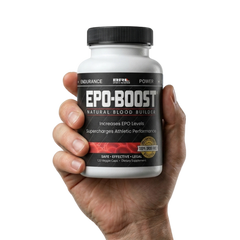
- Some athletes also use products such as EPO-Boost Natural Blood Builder and EPO Stimulator as part of a broader endurance-focused training strategy. Products designed to support the body's natural processes are often discussed alongside other natural EPO boosters such as altitude training, endurance exercise, and recovery-focused habits.
Peer-reviewed research has shown that exposure to altitude and reduced oxygen availability can stimulate erythropoietin production as part of the body's natural adaptation process. These physiological responses help explain why altitude-based training strategies remain popular among endurance athletes.

Final Thoughts
EPO is a natural hormone that plays a critical role in red blood cell production and oxygen delivery, making it an important factor in endurance performance. While synthetic EPO is prohibited in competitive sports, athletes can support healthy EPO production through consistent training, proper recovery, sound nutrition, and endurance-focused lifestyle habits.
Understanding how EPO works allows athletes to make informed decisions about performance support while staying aligned with legal, ethical, and drug-free training practices. By focusing on long-term physiological adaptation rather than shortcuts, endurance athletes can build a stronger foundation for sustained performance.
FDA Disclaimer: These statements have not been evaluated by the FDA. Products are not intended to diagnose, treat, cure or prevent any disease.
Frequently Asked Questions About EPO
What is EPO?
EPO, or erythropoietin, is a hormone primarily produced by the kidneys that helps stimulate red blood cell production when the body needs more oxygen-carrying capacity.
Why is EPO important for endurance athletes?
EPO is important because red blood cells transport oxygen to working muscles, making oxygen delivery a key factor in endurance performance.
Is EPO naturally produced by the body?
Yes. The body naturally produces EPO in response to changes in oxygen availability and physiological demands.
What is the difference between natural and synthetic EPO?
Natural EPO is produced by the body, while synthetic EPO is a manufactured substance that is prohibited in most competitive sports.
Why do athletes use synthetic EPO?
Some athletes have misused synthetic EPO to increase red blood cell production and oxygen-carrying capacity, which is why it is banned by anti-doping organizations.
Can altitude training increase EPO naturally?
Yes. Reduced oxygen availability at higher elevations may stimulate the body's natural EPO production as part of its adaptation process.
How long does it take to increase EPO naturally?
The timeline varies based on factors such as training status, altitude exposure, recovery, and individual physiology.
Are natural EPO boosters legal?
Natural strategies that support the body's own EPO production, including training and lifestyle approaches, are generally legal and commonly used by endurance athletes.
Does EPO directly improve athletic performance?
EPO itself supports red blood cell production, which can influence oxygen delivery and endurance capacity when combined with proper training.
Who may benefit from learning about EPO?
Endurance athletes, runners, cyclists, triathletes, and anyone interested in aerobic performance may benefit from understanding how EPO functions in the body.
Sources:
- Lundby, C., & Robach, P. (2015). Performance enhancement: What are the physiological limits? Physiology, 30(4), 282–292. https://doi.org/10.1152/physiol.00052.2014
- Robach, P., Schmitt, L., Brugniaux, J. V., Roels, B., Millet, G., Hellard, P., Nicolet, G., Duvallet, A., Fouillot, J.-P., Moutereau, S., Lasne, F., Pialoux, V., Olsen, N. V., & Richalet, J.-P. (2006). Living high-training low: Effect on erythropoiesis and aerobic performance in highly-trained swimmers. European Journal of Applied Physiology, 96(4), 423–433. https://doi.org/10.1007/s00421-005-0089-1
- Jelkmann, W. (2011). Regulation of erythropoietin production. The Journal of Physiology, 589(6), 1251–1258. https://doi.org/10.1113/jphysiol.2010.195057