

The Qualification Process for the 2025 Boston Marathon
If you’re trying to qualify for the 2025 Boston Marathon or thinking about racing it one day, pay attention to...
LABOR DAY SALE - 25% OFF + FREE SHIPPING SITEWIDE
HOME OF NATURAL ENDURANCE AND PERFORMANCE SUPPLEMENTS


When iron levels fall short, the body struggles to deliver oxygen efficiently, turning hard-earned fitness into fatigue, slower splits, and stalled progress. For athletes pushing through demanding training cycles, this hidden limitation can quietly undermine both performance and recovery.



Iron plays a central role in endurance, recovery, and sustained performance, especially for athletes operating under high training loads. Choosing the right supplement requires understanding how different forms, absorption factors, and supporting nutrients influence oxygen delivery and energy output. Athletes need targeted solutions that align with training demands, not generic formulations that overlook performance-specific needs:
Efficient oxygen movement depends on healthy hemoglobin levels, which rely heavily on adequate iron intake. Within the bloodstream, iron enables red blood cells to carry oxygen from the lungs to working muscles, directly influencing stamina and aerobic output. Research-backed insights on this process are detailed in Iron Is Essential for Oxygen Transport in Blood, where physiological efficiency is linked to sustained endurance performance.
Different forms vary in how well they are absorbed and tolerated during consistent use. Ferrous bisglycinate is often preferred for its higher bioavailability and reduced gastrointestinal discomfort compared to traditional ferrous sulfate. Heme-based sources can also offer efficient uptake, especially for athletes with increased demands. Selecting a form that balances absorption and tolerability helps maintain consistent intake during intense training cycles.
High-output training requires formulations that go beyond basic mineral replacement and support sustained oxygen efficiency. Endurance-focused options often include cofactors such as vitamin C to enhance uptake and compounds that assist red blood cell production. Athletes benefit most from supplements designed to align with prolonged exertion, where consistent oxygen delivery supports pacing, recovery between sessions, and overall training progression.
Sustained performance depends on efficient oxygen delivery, and low iron levels can significantly disrupt that balance in high-output training environments. Athletes often face increased demands due to volume, intensity, and physiological stress, making nutrient depletion more likely over time. Understanding how reduced iron availability affects performance helps guide smarter supplementation and recovery strategies:
Reduced iron availability limits hemoglobin production, which directly affects the body’s ability to transport oxygen to working muscles. This creates a bottleneck in aerobic energy production, leading to quicker fatigue and reduced efficiency during sustained efforts. Over time, even moderate depletion can impair endurance capacity and limit the effectiveness of structured training programs.
Early signs often appear as subtle declines in stamina, slower recovery between sessions, and difficulty maintaining usual training intensity. Many athletes overlook these changes until performance drops become more pronounced, which can delay corrective action. Common patterns associated with nutrient gaps are outlined in 6 Common Nutrient Deficiencies in Athletes, highlighting how these issues develop under consistent training stress.
Chronic low levels can interfere with the body’s ability to adapt to training stimuli, reducing gains in endurance and overall performance progression. Without sufficient oxygen delivery, muscle repair and energy system development become less efficient, limiting improvements over time. Addressing these limitations early supports more consistent training outcomes and helps maintain long-term athletic development.
Selecting an effective supplement requires more than checking dosage, as absorption, ingredient pairing, and training demands all influence results. Athletes benefit from formulations designed to support oxygen delivery while fitting into structured routines without causing digestive issues. Understanding how to evaluate these factors helps narrow down options that align with both performance goals and long-term consistency:
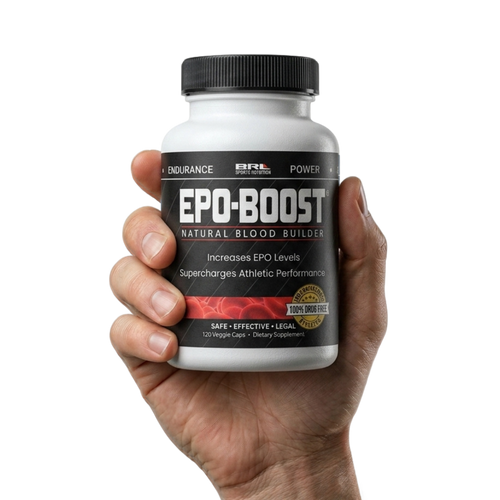
Absorption plays a defining role in how effectively the body utilizes iron, making supporting nutrients essential. Vitamin C is commonly included to enhance uptake, while compounds that support red blood cell production can further improve outcomes. Athletes exploring advanced formulations can review options through the EPO Boost Hub, where oxygen-support strategies are aligned with performance-focused supplementation.
Timing intake around training and recovery windows can influence how well the body incorporates iron into physiological processes. Many athletes benefit from consistent daily intake rather than sporadic use, especially during high-volume training blocks. Coordinating supplementation with nutrition and recovery strategies helps maintain stable levels that support endurance and sustained output.
Lower-quality options may include poorly absorbed forms or unnecessary fillers that reduce effectiveness over time. Gastrointestinal discomfort is also more common with less refined formulations, which can disrupt consistency in supplementation. Choosing products backed by research and tested for quality helps athletes avoid setbacks and maintain reliable support throughout demanding training cycles.
BRL Sports develops performance-focused formulations designed to support oxygen delivery, endurance, and recovery under real training conditions. Instead of relying on generic mineral supplementation, these products are built around clinically studied ingredients that align with the physiological demands of endurance athletes. Selecting a targeted solution can help maintain consistent output, especially during periods of increased training load.
This formulation reflects a performance-driven approach to blood health, supporting athletes who require efficient oxygen delivery during extended training sessions and competitive efforts.
Endurance training places continuous stress on oxygen delivery systems, making consistent nutrient support essential for maintaining output and recovery. Iron intake must align with training phases, workload intensity, and recovery cycles to remain effective. Understanding when and how supplementation fits into a structured program helps athletes maintain stable performance across both short-term sessions and long-term progression:
Higher training volumes, especially during base-building and peak phases, can elevate the body’s need for oxygen transport support. Repetitive endurance efforts increase red blood cell turnover, which can gradually reduce available iron stores. Athletes who adjust supplementation based on training intensity are better positioned to sustain consistent output across demanding cycles.
Post-training recovery periods are critical for restoring oxygen-carrying capacity and supporting red blood cell regeneration. Timing supplementation alongside recovery strategies can improve how efficiently the body adapts to training stress. Insights on recovery timelines and physiological response can be explored in How Long Does It Take to Increase EPO Naturally, where oxygen-related adaptations are linked to sustained endurance gains.
Training load fluctuations require flexible supplementation strategies to avoid under- or over-supporting physiological needs. Periods of intensified workload may require more consistent intake, while lighter phases allow for maintenance-focused approaches. Aligning intake with workload helps athletes maintain efficient oxygen delivery without unnecessary supplementation during lower-demand periods.
Athletes place different physiological demands on the body depending on the sport type, training intensity, and biological factors. These variations influence how iron is utilized, depleted, and replenished over time. Understanding these differences helps guide more precise supplementation strategies that align with performance goals and training structure:
Sustained impact and high-mileage training increase red blood cell turnover, which can gradually reduce available iron stores. Distance-focused athletes often require consistent intake strategies that support oxygen delivery across prolonged efforts. Monitoring intake alongside training volume helps maintain endurance capacity without interruptions.
Higher physiological demands, including factors related to hormonal cycles, can increase the likelihood of reduced iron levels over time. Active individuals benefit from consistent monitoring and targeted supplementation strategies that align with training intensity. Selecting well-absorbed formulations helps maintain stable levels that support endurance and recovery.
Different training modalities create distinct oxygen demands, which influence how iron supports performance outcomes. Endurance-focused programs rely heavily on sustained oxygen transport, while strength-based training emphasizes recovery and muscular output. Complementary strategies discussed in Beets for Athletes can support circulation and energy utilization.
Sustained endurance depends on consistent oxygen delivery, efficient recovery, and the ability to adapt to increasing training demands. Athletes who prioritize targeted nutritional support can maintain higher output across sessions while reducing performance limitations linked to nutrient gaps.
BRL Sports applies a science-based approach to performance nutrition, offering formulations designed to support red blood cell production and oxygen transport during demanding training cycles. Athletes looking to improve endurance capacity can integrate targeted supplementation strategies aligned with high-level training demands.
Sources:
Iron supports the production of hemoglobin, which carries oxygen to working muscles. Efficient oxygen delivery allows athletes to sustain effort, delay fatigue, and maintain consistent output during training and competition.
Common indicators include persistent fatigue, reduced endurance, slower recovery, and difficulty maintaining usual training intensity. Blood testing is the most reliable way to confirm low levels and guide proper supplementation.
Yes, common forms include ferrous sulfate, ferrous bisglycinate, and heme-based sources. Each varies in absorption rate and digestive tolerance, which can influence how consistently an athlete can use the supplement.
Improving low iron levels can support better oxygen transport, which may enhance endurance capacity. The impact depends on the individual’s baseline levels and how well the supplement is absorbed and utilized.
Timing can vary, but many athletes benefit from consistent daily intake. Taking it alongside nutrients that support absorption and away from inhibitors can improve effectiveness.
Vitamin C is one of the most effective enhancers of absorption. Other supportive nutrients can contribute to red blood cell production and overall utilization within the body.
Stay up to date on all of our newest products, deals, and more!