


The Qualification Process for the 2025 Boston Marathon
If you’re trying to qualify for the 2025 Boston Marathon or thinking about racing it one day, pay attention to...
LABOR DAY SALE - 25% OFF + FREE SHIPPING SITEWIDE
HOME OF NATURAL ENDURANCE AND PERFORMANCE SUPPLEMENTS


Looking for the best way to approach half marathon recovery? Recovering well after a race involves more than taking a day off. A thoughtful recovery plan that includes hydration, nutrition, rest, and science-backed supplementation can help your body repair, reduce muscle soreness, and prepare you for your next training cycle.
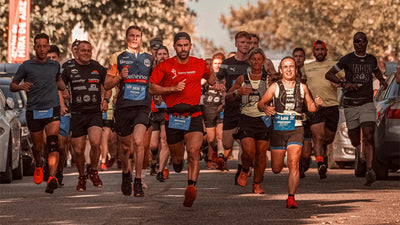


Knowing how to recover after a half marathon is just as important as preparing for race day. Your muscles, energy stores, and hydration levels have all been challenged, so the first 24 to 48 hours should focus on giving your body the support it needs to begin repairing and adapting. Recovery is not about avoiding movement altogether, but about balancing rest with light activity and proper nutrition.
Start by replacing fluids and electrolytes lost through sweat, followed by a balanced meal or snack that includes carbohydrates to replenish glycogen stores and nutrients that support muscle recovery. Gentle walking or other low-impact movement can also help reduce stiffness by encouraging blood flow without placing additional stress on fatigued muscles. For more strategies after a race, our guide on Post-Event Recovery Tips for Endurance Athletes covers practical ways to support recovery in the days that follow.
Recovery is highly individual, and factors such as race intensity, weather conditions, training history, and overall fitness all influence how quickly you'll bounce back. Listening to your body and avoiding a rapid return to intense training can help reduce the risk of lingering fatigue or overuse injuries while preparing you for your next running goal.
Muscle recovery after running begins as soon as you cross the finish line. Long-distance races create microscopic muscle damage and place stress on energy systems, making the recovery period essential for repairing tissue and restoring performance. Supporting this process with proper nutrition, hydration, and rest can help you return to training feeling stronger rather than carrying fatigue into your next workout.
Replacing fluids, electrolytes, and carbohydrates should be one of your first priorities after a half marathon. These nutrients help restore hydration and replenish glycogen stores depleted during the race. Ingredients such as BCAAs, L-glutamine, and magnesium are also commonly included in recovery-focused supplements because they complement the body's natural muscle repair and recovery processes. If you're considering supplementation as part of your recovery plan, our Running Recovery Supplements Guide explains what to look for and how different ingredients may support endurance athletes.
Recovery doesn't stop after your post-race meal. Your muscles continue repairing for several days, making sleep, hydration, and appropriate activity just as important as nutrition. Rushing back into hard workouts too soon can interrupt this process and increase the likelihood of prolonged soreness or fatigue.
Giving your body the time and support it needs after a race helps promote better recovery and sets the stage for consistent training in the weeks ahead.
Post race recovery supplements are designed to complement the recovery process after a half marathon, but not every product serves the same purpose. The best option depends on your training demands, recovery goals, and overall nutrition plan. Instead of choosing supplements based on marketing claims, look for products with science-backed formulations, transparent labeling, and ingredients shown by peer-reviewed research to support post-exercise recovery.
Quality and safety also matter. Endurance athletes should consider supplements that are third-party tested for quality and manufactured in FDA-registered, cGMP-certified facilities. Choosing products from reputable brands helps ensure you're getting accurately labeled formulations that align with your training goals and comply with major sports governing body standards.
Supplements work best as part of a complete recovery strategy rather than a replacement for good habits. Mobility work, hydration, balanced meals, and adequate rest all contribute to post-race recovery. Our guide on Foam Rolling for Faster Recovery explains how simple recovery techniques can complement your nutrition and supplementation plan.
A typical half marathon recovery timeline varies from one runner to another, but most athletes can expect recovery to take several days to two weeks depending on their training history, race intensity, and overall fitness. The goal isn't to return to hard training as quickly as possible. It's to allow your body enough time to recover so you can continue training consistently.
Days 1–2: Prioritize hydration, balanced meals, light walking, and rest. Gentle movement can help ease stiffness, but avoid high-intensity workouts while your muscles begin to recover.
Days 3–7: As soreness improves, consider adding easy runs or low-impact cross-training if your body feels ready. Recovery practices such as contrast therapy may also be helpful for some athletes. Our article on Ice Baths vs Saunas for Recovery explains how each approach may fit into a recovery routine.
Week 2 and Beyond: Most runners can gradually resume their normal training schedule once soreness has subsided and energy levels have returned. Quality sleep remains one of the most important parts of recovery throughout this process. Our guide on Sleep Hacks for Optimal Recovery shares practical ways to support recovery through better sleep habits.
Following a realistic recovery timeline helps reduce the risk of returning to training too soon. Paying attention to how your body responds after a race allows you to build consistency, recover more effectively, and prepare for your next running goal.
Sources:
A typical half marathon recovery timeline ranges from several days to about two weeks, depending on your fitness level, race intensity, and recovery habits. Listening to your body is the best way to determine when you're ready to resume harder training.
The best way to recover after a half marathon is to prioritize hydration, balanced nutrition, quality sleep, and gradual movement. Science-backed recovery supplements may also complement these habits as part of a well-rounded recovery plan.
Post race recovery supplements are not essential for every runner, but they can be a convenient way to support hydration, recovery, and nutrient replenishment after a demanding race, especially when paired with a balanced diet.
Muscle recovery after running is supported by proper hydration, nutritious meals, adequate rest, and avoiding intense exercise until soreness begins to improve. Recovery strategies should match your training load and individual needs.
Most runners benefit from taking at least one day away from intense running. Light walking or gentle mobility work is often a better option while your body begins recovering.
Many runners gradually resume their normal training within one to two weeks, although timing varies based on race effort, experience, and how well recovery progresses.
Stay up to date on all of our newest products, deals, and more!