







Intermittent fasting boosts fat burn and performance when timed right but can reduce intensity if overdone.


Break Through Burnout: When to Take a Training Break
Burnout is a common challenge for endurance athletes and results from prolonged physical and mental stress without sufficient rest. Symptoms include persistent fatigue, soreness, frequent illness, poor sleep, and emotional signs like irritability and lack of motivation. Taking a structured break from high-intensity training helps the body recover, prevents injury, and renews mental focus—ultimately enhancing performance. A break should include active recovery, quality sleep, proper nutrition, and reflection on training goals. Gradually returning to training with adjustments and added strength work can lead to more sustainable long-term progress.


When Should Endurance Athletes See a Physical Therapist?
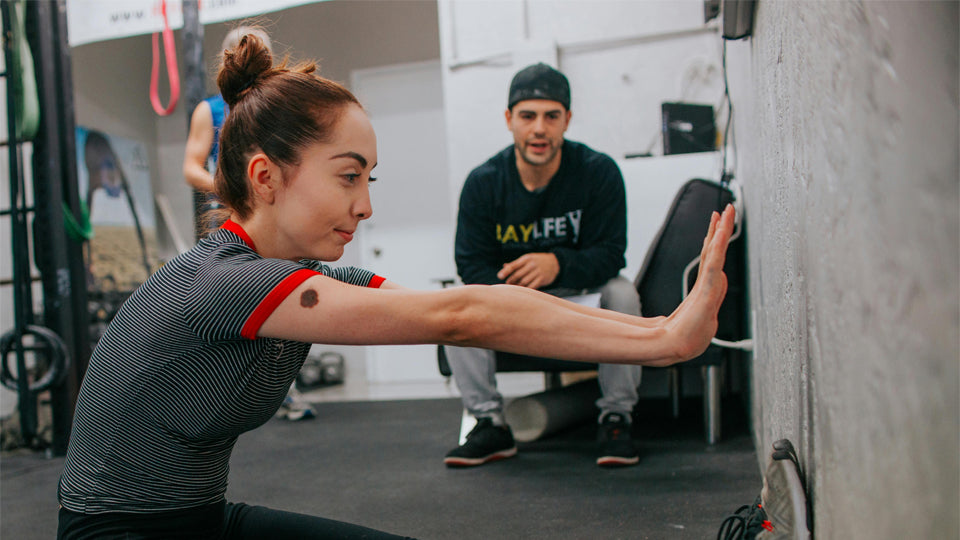
Maintaining a consistent training schedule can be difficult when injuries or persistent aches begin to appear, and pushing through without treatment often worsens the problem. Physical therapists help endurance athletes prevent minor issues from developing into serious injuries through early assessment and targeted interventions like manual therapy and customized exercises. When injuries do occur, PTs guide recovery by addressing both symptoms and root causes, ensuring a safe return to activity while minimizing the risk of reinjury. Regular physical therapy check-ins also support long-term performance by identifying imbalances, improving strength in weak areas, and optimizing movement patterns. Ultimately, incorporating PT into training is a proactive strategy to stay healthy and perform at your best.


How to Increase Red Blood Cells Naturally: What Actually Works for Athletes
Learn how to increase red blood cells naturally with BRL Sports. See what research says about iron, altitude, and endurance performance. Read more.


What to Eat the Night Before a Marathon: A Runner's Fueling Checklist
Planning what to eat night before marathon day? BRL Sports covers carbs, meal timing, digestion, and race-morning fuel. Build your fueling checklist.


Natural Ways to Increase Red Blood Cells for Better Endurance
Learn natural ways to increase red blood cells with BRL Sports. See how nutrition, training, and healthy blood support endurance performance. Read more.


HIIT for Endurance Athletes: How to Add It Without Burning Out
HIIT for athletes can improve endurance and aerobic fitness when used correctly. Learn how BRL Sports recommends adding HIIT without burnout.


How to Prepare for Your First Marathon: Training Plan, Nutrition and Hydration
How to prepare for first marathon success. Learn training, nutrition, and hydration strategies with BRL Sports. Read the guide today.


Best Supplements For Runners: Complete Guide By Training Phase (Base, Peak, Taper & Race Day)
The best running supplements for endurance athletes, organized by training phase and goal. From base building through race day.


Your Essential Winter Marathon Training Guide
Conquer cold-weather miles—learn how to layer, fuel, and stay safe while training for your winter or early spring marathon.


Pre-Race Tune Up: Leg Openers to Boost Performance
Boost race-day performance with short, intense leg openers to prime muscles, enhance power, and start strong from the gun.


Sleep Hacks for Optimal Recovery: 5 Tips to Boost Your ZZZs
Level up recovery with quality sleep: stick to a schedule, keep it cool, use white noise, unplug before bed, and try Calm Legs for restful nights.


What is Acute Mountain Sickness and How to Avoid It
Acute Mountain Sickness hits at high altitudes—ascend slowly, hydrate, eat carbs, and watch for symptoms like headache or dizziness to stay safe.


Top Five Common Creatine Mistakes and How to Avoid Them
From inconsistent dosing to the wrong format, these creatine mistakes are costing athletes their results. Here's what to fix and why powder beats gummies every time.


Is a Running Gait Analysis Right for You? What Runners Need to Know
A running gait analysis is a valuable tool that helps runners improve form, efficiency, and injury prevention by evaluating biomechanics in detail. It’s especially beneficial for injury-prone runners, those hitting performance plateaus, beginners, or anyone transitioning to new shoes or terrain. Conducted by trained professionals like physical therapists, athletic trainers, or exercise physiologists, the assessment includes video analysis, functional movement tests, footwear evaluation, and personalized recommendations. This process helps identify inefficiencies and imbalances, guiding targeted improvements in technique, strength, and equipment. Though it requires an upfront investment, a gait analysis can significantly enhance performance and reduce long-term injury risk.


Conquering the Mountains: Tips for Flatlanders Training for High-Altitude Adventures
The thin air and steep terrain of the mountains can be a challenge for sea-level dwellers. Discover science-backed strategies to build strength, simulate altitude, optimize nutrition, and adjust your mindset for high-altitude success.


Tips for Tackling Your First 50K Ultra
Prepare to conquer your first 50K ultramarathon with this comprehensive guide. Learn strategies for physical training, gear selection, fueling, hydration, and more to ensure a successful and enjoyable 50K debut. Get expert tips to overcome the challenges and savor the accomplishment of completing your first ultra.


Power-Packed Vegetarian Breakfasts for Double Training Days
Double training days? Fuel up with these power-packed vegetarian breakfasts! Perfect carb/protein balance for endurance athletes' recovery and performance.


How to Dress for Winter Running: From Clear, Crisp Days to Polar Vortex Cold
Run strong no matter the season. Our layering & gear guide ensures comfort and safety in any temperature, from mild frost to extreme cold.


Want Better Sleep? 4 Game-Changing Tips for Endurance Athletes
Sleep your way to victory! 4 science-backed sleep strategies for endurance athletes. Boost recovery, enhance training, and crush race day.


A 50-Mile Masterclass: My Journey on the Superior Hiking Trail
Battling rain, roots, and rugged miles, I conquered Minnesota’s Superior 50—a thrilling test run for my future 100-miler.


8 Essential Exercises to Bulletproof Your Feet and Ankles for Running
Strong feet & ankles mean injury-free running. These 8 essential exercises will boost performance and keep you running strong.

Is a Professional Coach Worth It? The Real Deal on Coaching for Endurance Athletes
Is endurance coaching worth it? Explore the costs, benefits, and decide if a coach is right for you.


Elevate Your Ride: Five Bike Upgrades Worth Considering in 2026
Five smart bike upgrades—from tech to fit—that deliver real speed, comfort, and control gains for 2026 riding.


Beta-Alanine and Lactate Threshold: What Actually Delays Muscle Fatigue
Can beta alanine benefits help delay muscle fatigue? BRL Sports explains carnosine, lactate threshold, and what research shows. Review the evidence.


Cordyceps and Oxygen Utilization: The Science Behind VO2-Boost's Core Ingredient
Can cordyceps benefits improve oxygen use and endurance? BRL Sports examines the research behind VO2 max, athletic performance, and supplements. See the evidence.


What Is EPO? The Natural Hormone Behind Endurance (And How to Boost It Legally)
What is EPO? Learn how this hormone supports endurance and oxygen delivery. BRL Sports explains natural EPO support. Read more today.


Stamina Supplements for Athletes: Build Lasting Endurance
Stamina supplements may support endurance, oxygen delivery, and sustained athletic performance for athletes training for demanding workouts and competitions.


Extreme Endurance: How Elite Athletes Train Beyond the Limit
Explore how elite athletes train for extreme endurance. Learn what it takes to build physical and mental capacity for ultra-distance performance.


High Altitude Supplements: Complete Guide to Training & Prevention (Altitude Sickness Solutions)
Support endurance and reduce altitude stress with supplements that improve oxygen efficiency, stamina, and recovery in high-altitude conditions.


How to Increase VO2 Max: 12 Science-Backed Methods for Endurance Athletes
VO2 max is the single best predictor of endurance performance. Here are 12 science-backed methods to increase it, from interval training to targeted supplementation.


Unlocking Your Endurance Potential: Why VO2 Max is a Distance Runner's Best Friend
Unlock your endurance potential—learn how improving your VO2 max can boost stamina, speed, and performance for long-distance runners.


Don’t Get Scammed by Creatine Gummies: What You Need to Know
A WIRED investigation found most top-selling creatine gummies contain a fraction of their advertised dose. Here's what to look for — and why powder is the more reliable format.


How Many Carbs Per Hour Should You Consume During a Race?
“How many carbohydrates should I be consuming every hour to keep the wheels (and legs) spinning?” Read to learn more!


Sunscreen vs. UPF Clothing: Your High-Altitude Sun Protection Strategy
High-altitude sun safety: combine UPF clothing for coverage with sunscreen on exposed skin for maximum UV protection.


Boost Your VO2 Max: 3 Time-Saving Workouts for Runners and Cyclists
Three time-efficient VO2 max workouts for runners and cyclists — designed to push your aerobic ceiling without spending hours training.


Are Creatine Gummies as Effective as Powder? The Answer Might Surprise You!
Creatine gummies aren't as effective as powder under real-world conditions. Moisture degrades the creatine before you take it. Here's the science and why BRL Sports switched to powder.


Beating Blisters: 5 Essential Tips for Happy Feet
Say goodbye to blisters with 5 proven strategies for prevention & treatment, from socks to taping. Run comfortably and crush your goals.


Finding Your Edge: A Meditation Guide for Endurance Athletes
Find your mental edge. Discover how meditation enhances endurance performance. Practical techniques for visualization, recovery, and peak athletic potential.


Running Recovery Supplements: Speed Up Your Post-Run Healing
Learn how running recovery supplements help support muscle repair, circulation, and post-run recovery. Maintain endurance and performance with BRL Sports.


Supplements for Stamina: What Actually Moves the Needle for Endurance Athletes
Supplements for stamina can support endurance and training goals. Learn what works, what doesn't, and how BRL Sports can help. Read now.


VO2 Max Supplements: Do They Actually Work? (Science Review)
VO2 max supplement science explained. Learn what works, what doesn't, and how BRL Sports supports endurance goals. Read the research today.


Creatine for Endurance vs. Sprint Efforts
Creatine isn’t just for power—learn how it boosts sprint speed, recovery, and endurance performance.


Your Daily Blueprint for Resilient Joints
A simple daily blueprint to keep joints strong, mobile, and pain-free—so you can keep doing what you love.


Is Halloween Candy a Trick or Treat? Endurance Fuel Analysis
Halloween candy offers quick carbs for endurance fuel but lacks electrolytes and balance—best as a backup, not a staple.