

Key Takeaways:
- Healthy Blood Formation: Natural strategies should support normal red blood cell and hemoglobin production rather than aim to push blood counts beyond healthy levels.
- Nutrition and Training: Adequate iron, vitamin B12, folate, energy intake, endurance training, and appropriate altitude exposure can support the processes involved in red blood cell production.
- Endurance Performance: Efficient oxygen delivery depends on more than red blood cells alone, making cardiovascular fitness, recovery, nutrition, and targeted support important parts of the overall approach.
What are the best natural ways to increase red blood cells? The most reliable approaches support the body's normal blood-forming processes through adequate nutrition, appropriate endurance training, recovery, and, when suitable, altitude exposure. These factors can help maintain healthy red blood cell and hemoglobin status, which contributes to oxygen transport during endurance exercise.
At BRL Sports, we focus on the physiology behind endurance rather than treating a higher red blood cell count as an automatic performance advantage. For athletes, the practical goal is to support healthy blood formation and endurance oxygen delivery while addressing nutritional deficiencies or training factors that could limit performance.
This article explains how red blood cells are produced, which nutrients support healthy blood formation, how training and altitude can influence natural EPO production, and which practical habits help maintain oxygen delivery for endurance performance.

What Helps Your Body Produce Red Blood Cells Naturally?
Red blood cells are produced in bone marrow and contain hemoglobin, the protein responsible for carrying oxygen from the lungs to working tissues. Healthy red blood cell and hemoglobin levels therefore contribute directly to the oxygen transport endurance athletes depend on during prolonged exercise.
Erythropoietin, or EPO, is a hormone produced primarily by the kidneys that signals bone marrow to increase red blood cell production when oxygen availability falls. What Is EPO? Natural Hormone for Endurance explains this physiological response and its relevance to endurance performance.
Supporting red blood cell production means giving this system what it needs to function normally, not simply trying to push blood counts higher. Nutrient availability, training demands, oxygen exposure, and individual health status can all influence the process. For athletes with already healthy levels, increasing red blood cells further is not necessarily beneficial.
Nutrition That Supports Healthy Red Blood Cell Production
To increase red blood cell count naturally, focus on nutrients required for normal blood formation rather than trying to raise RBC levels beyond a healthy range. Iron is needed to produce hemoglobin, while vitamin B12 and folate support the formation and maturation of red blood cells.
Iron: Found in foods such as lean red meat, poultry, seafood, beans, lentils, and fortified cereals. Low iron availability can impair hemoglobin production and oxygen transport.Vitamin B12: Found primarily in animal foods and fortified products. Inadequate B12 can interfere with normal red blood cell formation.Folate: Leafy greens, legumes, citrus fruits, and fortified grains provide folate needed for new cell production.
Athletes looking to boost hemoglobin naturally should first ensure their diet provides enough energy and these essential nutrients. Supplements such as iron are most appropriate when there is an identified need, since taking more does not automatically produce more hemoglobin or improve endurance when nutrient status is already adequate.

Can Training Increase Natural EPO Production?
Yes. Natural EPO production can increase in response to reduced oxygen availability, particularly during altitude or controlled hypoxic exposure. The resulting signal encourages bone marrow to produce more red blood cells when the body needs greater oxygen-carrying capacity.
Endurance Training: Regular endurance exercise increases the body's demand for oxygen and drives cardiovascular adaptations that improve how oxygen is transported and used during sustained activity.
Altitude Exposure: At higher elevations, reduced oxygen availability can stimulate EPO production. This response is one reason altitude training is used by some endurance athletes. The relationship between this mechanism and running performance is covered in EPO the Natural Advantage for Long Distance Runners.
Adaptation Timeline: EPO signaling can respond relatively quickly to hypoxia, but changes in red blood cell mass take longer. How Long Does It Take to Increase EPO Naturally provides more context on the timing of this response.
Training and altitude exposure should therefore be viewed as adaptation strategies, not immediate ways to raise red blood cell levels. Any potential benefit depends on the duration and consistency of the stimulus and the athlete's individual response.
How to Support Red Blood Cells and Endurance Oxygen Delivery
Supporting endurance oxygen delivery requires more than increasing red blood cell count. Hemoglobin status, blood volume, cardiovascular function, and the muscles’ ability to use oxygen all influence how effectively an endurance athlete can sustain prolonged exercise.
- Maintain adequate nutrition: Consistently meeting energy and nutrient needs supports normal blood formation and the demands of endurance training.
- Prioritize recovery: Sufficient recovery allows the body to adapt between demanding sessions and helps athletes maintain training quality.
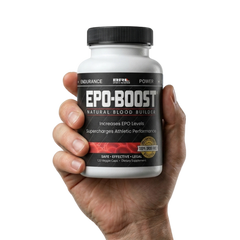
- Consider targeted endurance support: EPO Boost Natural Blood Builder is formulated to support oxygen utilization, stamina, endurance, and recovery during demanding training.
- Address blood and iron support when appropriate: Prohemia Blood Support Supplement is formulated to support red blood cell production, healthy iron levels, energy, and stamina.
- Avoid chasing higher blood counts: More red blood cells or hemoglobin do not automatically produce better performance when levels are already healthy. If low iron, hemoglobin, or abnormal blood counts are suspected, testing can help determine whether nutritional or medical intervention is appropriate.
For endurance athletes, the objective is to support healthy blood formation and efficient oxygen transport rather than simply maximize red blood cell numbers. Training, recovery, adequate nutrition, and targeted supplementation can each have a specific role within that broader approach.

Final Thoughts
Natural ways to increase red blood cells should focus on supporting normal blood formation rather than pushing red blood cell or hemoglobin levels beyond a healthy range. Adequate nutrition, consistent endurance training, appropriate recovery, and altitude exposure when suitable can all contribute to the physiological processes involved in oxygen transport.
For endurance athletes, healthy red blood cell production is only one part of performance. Supporting hemoglobin status and oxygen delivery alongside cardiovascular and muscular adaptations provides a more complete foundation for sustained endurance.
BRL Sports supplements can provide targeted nutritional support when they fit an athlete’s individual needs, but they work best alongside established training, nutrition, and recovery practices rather than as replacements for them.
Frequently Asked Questions About Natural Ways to Increase Red Blood Cells
How do you know if your red blood cell count is low?
A complete blood count (CBC) can measure red blood cells, hemoglobin, hematocrit, and related markers. Blood testing is more reliable than trying to determine red blood cell status from symptoms alone.
Can dehydration affect red blood cell test results?
Yes. Dehydration can reduce plasma volume and make hemoglobin, hematocrit, and red blood cell concentrations appear higher. Hydration status should therefore be considered when interpreting blood test results.
Can too many red blood cells be harmful?
Yes. An abnormally high red blood cell concentration can increase blood viscosity and may raise the risk of complications. More red blood cells should not be treated as automatically better for endurance performance.
Do endurance athletes have different iron needs?
Endurance athletes can be more susceptible to inadequate iron status because of factors such as training demands, dietary intake, gastrointestinal losses, sweating, and foot-strike hemolysis in runners. Individual requirements and supplementation decisions should be based on dietary assessment and, when appropriate, blood testing.
Can low red blood cells cause poor endurance?
Yes. If red blood cell or hemoglobin levels are abnormally low, oxygen transport can be impaired, potentially contributing to fatigue and reduced exercise capacity. The underlying cause should be identified rather than assuming training alone will correct it.
Does donating blood affect endurance performance?
It can temporarily affect endurance because donating whole blood reduces red blood cell mass and hemoglobin available for oxygen transport. Recovery time varies, so competitive endurance athletes should consider donation timing relative to important training and races.
How often should endurance athletes check their iron or hemoglobin?
There is no single testing schedule appropriate for every athlete. Testing frequency depends on factors such as previous deficiencies, diet, training load, symptoms, and medical history, and should be determined with an appropriate healthcare professional.
Are plant-based athletes at greater risk of low iron?
They can be, because plant foods contain non-heme iron, which is generally absorbed less efficiently than heme iron from animal foods. Plant-based athletes can still meet their needs through appropriate food selection, meal planning, and monitoring when necessary.
Sources:
- Sim, M., Garvican-Lewis, L. A., Cox, G. R., Govus, A., McKay, A. K. A., Stellingwerff, T., & Peeling, P. (2019). Iron considerations for the athlete: A narrative review. European Journal of Applied Physiology, 119(7), 1463–1478. https://doi.org/10.1007/s00421-019-04157-y
- Płoszczyca, K., Langfort, J., & Czuba, M. (2018). The effects of altitude training on erythropoietic response and hematological variables in adult athletes: A narrative review. Frontiers in Physiology, 9, 375. https://doi.org/10.3389/fphys.2018.00375
- Chapman, R. F., Karlsen, T., Resaland, G. K., Ge, R.-L., Harber, M. P., Witkowski, S., Stray-Gundersen, J., & Levine, B. D. (2014). Defining the “dose” of altitude training: How high to live for optimal sea level performance enhancement. Journal of Applied Physiology, 116(6), 595–603. https://doi.org/10.1152/japplphysiol.00634.2013