The Qualification Process for the 2025 Boston Marathon
If you’re trying to qualify for the 2025 Boston Marathon or thinking about racing it one day, pay attention to...
HOME OF ALL-NATURAL ENDURANCE AND PERFORMANCE SUPPLEMENTS


Endurance events like an Ironman demand more than fitness alone. Athletes are required to sustain output across swimming, cycling, and running for hours, often under changing environmental conditions. Training volume is high, recovery windows are limited, and nutritional demands are significant. The best supplements for Ironman training are those that support endurance, hydration, recovery, and consistency across long training blocks without compromising quality or compliance.
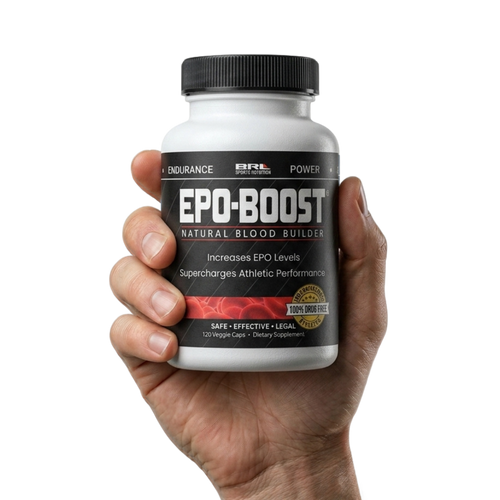

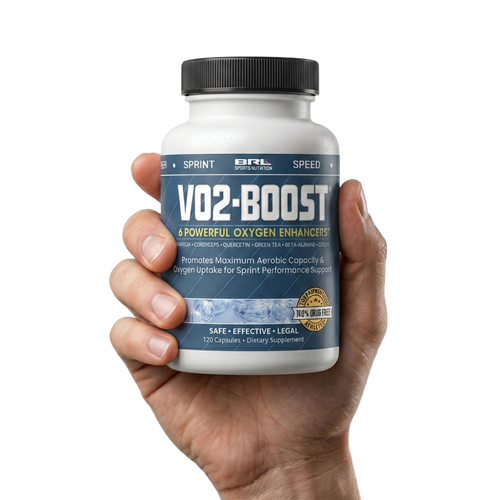





Ironman training nutrition must support prolonged energy output, efficient recovery, and consistent adaptation across swim, bike, and run sessions. With high weekly training volume, athletes require a structured approach that aligns fueling with workload rather than relying on general guidelines.
Carbohydrate availability, hydration, and electrolyte balance all play central roles during long sessions. Supplementation can help support these demands by complementing whole-food intake, particularly when training duration or intensity makes consistent fueling more challenging. Research in endurance athletes suggests that maintaining energy availability and fluid balance may help sustain performance across extended efforts.
Athletes beginning structured endurance programs can benefit from foundational guidance such as Training for Your First Triathlon, which outlines how nutrition and training interact over time.
At BRL Sports, our formulations are designed to integrate into structured Ironman preparation, supporting endurance, recovery, and overall training consistency through natural, science-backed ingredients.
An effective Ironman supplement stack should support endurance, recovery, and sustained energy across all three disciplines. Rather than relying on a single product, athletes benefit from combining targeted supplements that align with training demands and race preparation.
Endurance performance depends heavily on efficient oxygen delivery and utilization. Ingredients designed to support red blood cell function and aerobic capacity are often included in structured supplement strategies. Athletes looking to refine this aspect of performance can explore approaches such as those outlined in How EPO-Boost Makes You a Better Athlete, which focuses on supporting endurance through natural, research-backed methods.
A well-structured supplement stack can help athletes maintain consistent training quality across high-volume weeks. Hydration support, recovery-focused ingredients, and performance-based compounds all contribute to sustaining output over time rather than relying on short-term gains.
For Ironman athletes, supplement selection must also meet strict quality standards. Third-party testing for banned substances and manufacturing in FDA-registered, cGMP-certified facilities are essential. At BRL Sports, our formulations are developed using ingredient quantities aligned with peer-reviewed human research, ensuring athletes can train and compete with confidence.
When built with purpose, a supplement stack supports endurance, recovery, and consistent training output across long preparation cycles. Over time, this structured approach allows athletes to handle higher workloads while maintaining performance stability leading into race day.
Long distance triathlon supplements should be selected based on their ability to support sustained energy output, hydration balance, and recovery across extended training sessions. Ironman athletes often train for several hours at a time, making consistency and physiological efficiency key priorities.
Endurance supplements designed for long-duration efforts typically focus on maintaining energy availability and delaying fatigue. Ingredients that support aerobic metabolism and muscular endurance can help athletes maintain steady pacing across swim, bike, and run segments.
Hydration strategies become increasingly important as training duration increases. Supplements that include balanced electrolytes can support fluid retention and help maintain cardiovascular stability, particularly in warmer conditions. Athletes preparing for race conditions can refine their hydration approach through resources such as Race Day Hydration Tips.
High-volume training requires consistent recovery to sustain performance gains. Supplements that complement post-training nutrition may help athletes maintain training frequency and adapt to increasing workloads over time.
Over time, consistent supplementation aligned with training demands helps support sustained output across all three disciplines.
A full Ironman nutrition plan must account for the demands of race day, where athletes are required to sustain energy, hydration, and pacing across several hours of continuous effort. Unlike shorter events, execution becomes as important as fitness. Nutrition and supplementation strategies should be practiced and refined during training to avoid uncertainty on race day.
Energy intake, hydration, and electrolyte balance must be coordinated with pacing strategy. Small miscalculations can accumulate over time, influencing performance in later stages of the race. Athletes preparing for their first event can benefit from reviewing structured guidance such as Top 7 Tips for Running Your First Ironman, which outlines key considerations for race execution.
Transitions between swim, bike, and run also require planning. Efficient movement and preparation during these phases can influence overall performance, as highlighted in Triathlon Transition Tips.
At BRL Sports, our supplements are designed to integrate into a complete Ironman nutrition plan, supporting endurance, hydration, and recovery with natural, science-backed formulations built for serious athletes.
Hydration is one of the most critical variables in Ironman performance. With extended time across swim, bike, and run segments, fluid and electrolyte balance must be maintained consistently. Small hydration deficits can compound over time, affecting cardiovascular efficiency, temperature regulation, and perceived effort.
A structured hydration strategy should include:
Ironman athletes benefit from testing hydration protocols during long training blocks rather than introducing new strategies on race day. Precision and consistency are key to maintaining performance across all three disciplines.
Consistent hydration practices help maintain performance stability and reduce variability during long-duration efforts.
Ironman training places continuous stress on the body across swim, bike, and run disciplines. Recovery is not limited to rest days but occurs between sessions, where the body adapts to repeated workload. Supporting this process is essential for maintaining consistency and reducing performance decline over time.
Effective recovery strategies include proper nutrition, hydration, and targeted supplementation that aligns with training intensity. Ingredients that support muscle repair, inflammation balance, and energy restoration may help athletes sustain higher training quality across demanding weeks. Research in endurance athletes suggests that consistent recovery practices contribute to long-term performance development rather than short-term gains.
Adaptation also depends on managing cumulative fatigue. Without adequate recovery support, training output may decrease, limiting progression. A structured approach that combines training, nutrition, and supplementation allows athletes to maintain momentum throughout their Ironman preparation.
At BRL Sports, our formulations are designed to support recovery and adaptation using natural, science-backed ingredients developed for endurance athletes who train at high volume.
Choosing the best supplements for Ironman training requires a focus on formulation quality, research alignment, and compliance with competitive standards. With high training volume and long-duration events, athletes benefit from supplements that support endurance, recovery, and consistency rather than short-term performance spikes.
Supplements should include ingredients in quantities supported by peer-reviewed human studies. This ensures the formulation is designed to support measurable performance outcomes such as endurance capacity, recovery efficiency, and sustained energy output during long sessions.
Competitive athletes should prioritize products that are:
These factors help ensure safety, compliance, and consistency when supplements are used throughout a demanding training cycle.
An effective supplementation strategy should match the athlete’s phase of training. Endurance-focused sessions, high-intensity intervals, and recovery periods each place different demands on the body. Selecting supplements that complement these phases helps support long-term progression rather than relying on generalized solutions.
A science-based supplementation approach supports endurance, recovery, and consistent performance across demanding training cycles.
Sources:
The best supplements for Ironman training are those that support endurance, hydration, recovery, and sustained energy output. This often includes electrolyte support, recovery-focused nutrients, and ingredients aligned with aerobic performance.
Nutrition plays a central role in Ironman preparation. Consistent fueling supports training volume, recovery, and performance adaptation across swim, bike, and run sessions.
An Ironman supplement stack should complement training demands. This may include hydration formulas, recovery support, and endurance-focused ingredients that align with structured training phases.
Supplements are not required for all athletes, but they can help support consistency when training demands are high. They are most effective when used alongside proper nutrition and structured programming.
Electrolytes help maintain fluid balance, muscular function, and cardiovascular efficiency during long-duration efforts. Proper electrolyte intake becomes increasingly important as sweat loss accumulates.
Timing depends on the type of supplement. Hydration support is often used before and during sessions, while recovery-focused supplements are typically used after training to support adaptation.
Stay up to date on all of our newest products, deals, and more!