

The Qualification Process for the 2025 Boston Marathon
If you’re trying to qualify for the 2025 Boston Marathon or thinking about racing it one day, pay attention to...
HOME OF ALL-NATURAL ENDURANCE AND PERFORMANCE SUPPLEMENTS


Training for a triathlon means putting in the work across three very different disciplines. From swim sessions and long rides to bricks and race simulations, the demands on the body are constant. Nutrition plays a key role in how well athletes train, recover, and perform. That is why supplements have become a key part of many triathletes’ routines. Not to replace real food, but to help fill gaps, improve consistency, and support performance when the training load increases.



Triathlon places a unique demand on the body. The combined stress of swimming, cycling, and running in a single race requires more than general fitness. It requires a structured approach to fueling, hydration, and recovery that works across all three sports.
Athletes training for triathlon often manage long sessions, early mornings, and back-to-back workouts. Without a solid nutrition strategy, performance can dip and recovery may take longer. Supplements are not a shortcut, but they can support the process by helping athletes stay consistent and prepared for the next session.
A smart supplement plan can help address:
Without support, even well-trained athletes can struggle with the volume and intensity required in triathlon prep. The goal is not to rely on supplements but to use them to reinforce the work already being done in training.
Triathlon training requires more than just sport-specific preparation. The stress of combining swimming, cycling, and running in a single session or race creates unique demands on energy systems, recovery, and nutrient timing. Some supplements are formulated to be versatile, helping athletes manage effort across all three legs.
A consistent energy supply is critical in multisport training. Supplements that provide steady-release carbohydrates or support mitochondrial efficiency can be valuable tools. These help maintain training quality during brick sessions and simulate race conditions more effectively. During transition-heavy training blocks, having nutritional support that carries over between legs can make a difference in performance.
Hydration is more complex in triathlon because each sport presents different challenges. Swim training may be shorter but harder to hydrate around. Cycling allows regular sipping, while running requires more planning. Products that include electrolyte balance, not just fluids, can help maintain hydration status throughout training blocks and race day.
Back-to-back training sessions or double workout days are common in triathlon programs. Supplements that support muscle recovery, reduce soreness, and help replenish glycogen stores can shorten the time needed between efforts. This helps keep weekly training volume high without accumulating unnecessary fatigue.
The ability to manage transitions and maintain energy across multiple disciplines is part of what makes triathlon unique. For practical guidance on how to handle those changeovers more efficiently, visit our article on Triathlon Transitioning Tips.
When triathletes move into longer sessions and higher volume weeks, endurance support becomes a priority. These phases often include long rides, tempo intervals, and double training days that push aerobic capacity and muscle durability.
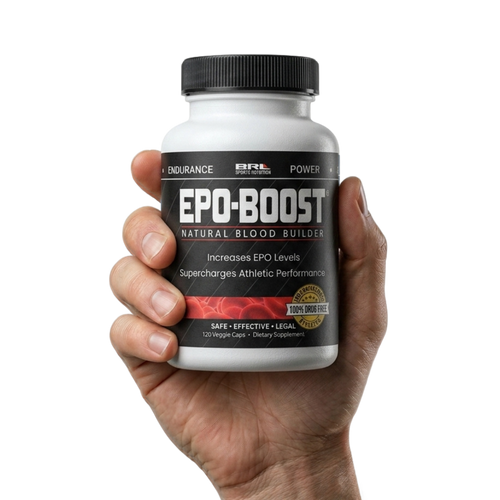
Products that support red blood cell function and oxygen transport can play a key role in maintaining pace over long durations. As training builds, so does the demand for oxygen delivery across muscle groups. Supplements that promote better circulation or oxygen efficiency may help athletes hold effort longer with less perceived fatigue. For a closer look at this type of support, read our article on How EPO Boost Makes You a Better Athlete.
High-volume endurance work can place runners, cyclists, and swimmers at risk of muscle breakdown, especially in hot or high-intensity conditions. Some endurance-focused products include amino acids or antioxidants that help minimize that damage. While training stress is needed to create adaptation, protecting lean mass becomes more important during extended build weeks.
Staying mentally locked in over a two to four-hour session is part of the endurance challenge. Certain ingredients that support focus and cognitive function can help athletes remain dialed in when fatigue sets in. This kind of support becomes even more important in race simulations or long bricks where transitions and pacing are being practiced under pressure.
Choosing supplements for triathlon training requires a practical approach. Training blocks vary widely in volume and intensity, especially for athletes preparing for their first race. The goal is to find products that support training without overcomplicating nutrition.
Triathlon training supplements should align with the structure of your program and the demands of each discipline. Athletes early in the sport often benefit from focusing on foundational support before adding specialized products.
When evaluating supplements, triathletes often consider:
Understanding how training evolves over time can help athletes choose the right products. For additional context on how nutrition fits into early preparation, read our guide on Training for Your First Triathlon.
Ironman preparation places a heavy load on the body. With long-distance sessions across all three sports, the margin for poor recovery becomes smaller. Athletes often train twice a day, balance fatigue across a week, and still need to stay sharp for key workouts. In this context, recovery is no longer just about rest days. It becomes a structured part of the training process.
Supplements designed for recovery in Ironman training often focus on reducing muscle breakdown, improving sleep quality, and restoring nutrients lost during long sessions. They can also play a role in managing inflammation or oxidative stress that builds up during high mileage and extended training blocks. Products that support glycogen replacement and muscle repair can help athletes bounce back sooner without sacrificing training volume.
This level of endurance training also requires attention to micronutrients and hydration status. Long hours under the sun, on the bike, or in open water can deplete stores over time. Replacing what is lost through sweat, effort, and repetition becomes part of sustainable training. For those taking on their first long-course race, recovery is one of the key factors that influences whether they reach the start line healthy and ready. For more preparation tips, take a look at our article on the Top 7 Tips for Running Your First Ironman.
Triathletes need products that keep up with the volume and complexity of their training. At BRL Sports, every supplement is developed with real athletes and real performance in mind. Our formulas are designed to support energy, recovery, and endurance without overcomplicating daily use. This means clean ingredient profiles, clear labeling, and science-driven decisions that make sense across every stage of a training cycle.
Unlike general fitness products, our supplements are made to handle the physical demands of swim-bike-run training. That includes training stress from back-to-back sessions, long weekend workouts, and demanding brick efforts that push both the body and mind.
Athletes who use BRL Sports products can expect:
We understand the difference between running a single session and managing a full training block. Whether you are training in the pool, on the road, or in open water, our products are made to help you sustain your performance. If you are working on your swim leg, check out our Open Water Swim Training Tips for more real-world guidance.
Triathletes have different needs depending on their experience, race distance, and training phase. While pros may focus on advanced timing strategies and stacking specific compounds, newer athletes often need simple, reliable support that fits into their routine without added complexity.
Sprint triathletes might benefit from formulas that support short bursts of effort and quicker recovery between sessions. Long-course athletes, on the other hand, tend to look for sustained energy, hydration, and muscle protection during extended efforts. Choosing the right product begins with understanding what your training is asking of your body and where support is most useful.
Supplements should enhance training, not complicate it. Look for products that are easy to use, stack well with your diet, and do not disrupt your recovery. The goal is to stay consistent through the season, not chase performance through constant changes. A few targeted products, used well, often provide more benefit than an overly complex stack.
As experience grows and training becomes more structured, the supplement approach can evolve too. This might mean adjusting dosages during build weeks or including recovery products during race taper. The foundation remains the same: use supplements that serve a clear purpose and support the work you are already putting in.
Sources:
Triathlon supplements are built to support endurance, recovery, and sustained energy across three disciplines. They are typically designed for long-duration, high-output training and are formulated to work with multi-phase race prep.
You can, but many triathletes adjust based on training blocks. Off-season may require less intensity support, while race season often calls for increased focus on recovery, hydration, and energy.
Not necessarily. Many products support performance across swim, bike, and run by focusing on energy systems, recovery, and hydration. However, individual needs can vary based on training intensity.
Yes. BRL Sports formulas are designed with endurance athletes in mind and use researched ingredients that are safe for daily training routines.
It is best to begin using supplements during your build phase so they are fully integrated into your training. This also helps you identify what works well before race day.
Some products may overlap, but Ironman athletes often benefit from endurance-specific supplements that support longer sessions, recovery, and fueling strategies for extended races.
Stay up to date on all of our newest products, deals, and more!