

The Qualification Process for the 2025 Boston Marathon
If you’re trying to qualify for the 2025 Boston Marathon or thinking about racing it one day, pay attention to...
HOME OF ALL-NATURAL ENDURANCE AND PERFORMANCE SUPPLEMENTS


Have you ever wondered whether creatine belongs in a runner's training routine? Creatine for runners may support training quality, recovery, and repeated high-intensity efforts, making it a valuable supplement for some endurance athletes. While it won't replace consistent training, research suggests it can complement a well-structured running program.



Creatine for runners can be a worthwhile addition to a training program, especially for athletes who incorporate speed work, hill repeats, interval sessions, or strength training. Although creatine is commonly associated with power sports, research suggests it may also support training quality and recovery for endurance athletes.
Creatine works by helping replenish the body's phosphocreatine stores, which provide a rapid source of energy during short, high-intensity efforts. For runners, this may translate to better performance during sprints, finishing kicks, or demanding training sessions rather than improved endurance during steady-state running. Runners interested in how creatine supports different types of exercise can also read Creatine for Endurance vs Sprint Efforts.
Whether creatine is right for you depends on your training goals. Distance runners, trail runners, and hybrid athletes who combine endurance and strength training may all find value in creatine when it complements a well-structured training plan and balanced nutrition. For runners who prefer an alternative to traditional powders, creatine gummies provide another way to consistently incorporate creatine monohydrate into their daily routine.
Creatine benefits for runners extend beyond muscle strength. Research suggests creatine supplementation may help support recovery, repeated high-intensity efforts, and training quality, particularly for runners who include intervals, hill workouts, or strength sessions as part of their program.
Creatine helps replenish phosphocreatine stores, allowing the body to produce energy more efficiently during short bursts of intense exercise. While it is not intended to increase steady-state endurance, it may help runners recover between demanding workouts and maintain training consistency. Runners looking for a broader supplementation strategy can also read Best Supplements for Runners.
For runners who prefer not to mix powders, creatine gummies offer a convenient alternative. BRL Sports' creatine gummies provide 4.5 g of creatine monohydrate per serving and are formulated to fit easily into a daily routine. They are also vegan, gluten-free, non-GMO, and made without artificial colors, artificial flavors, or artificial sweeteners, making them an option for athletes with different dietary preferences.
Current evidence suggests that creatine is most effective when combined with consistent training, balanced nutrition, and appropriate recovery rather than being relied on as a standalone performance solution.
Whether creatine helps runners' endurance depends on how endurance is defined. Current research suggests creatine is unlikely to significantly improve steady-state aerobic endurance, but it may enhance training quality by supporting repeated high-intensity efforts, sprint finishes, and recovery between demanding workouts.
Creatine for running performance is often most beneficial for runners who include interval training, hill repeats, tempo sessions, or strength training in their weekly routine. By supporting energy production during short bursts of high-intensity exercise, creatine may help athletes maintain workout quality throughout a training block. If you're comparing creatine's role across different types of exercise, our article on Creatine vs Pre-Workout: What Should You Take explains how the two supplements differ.
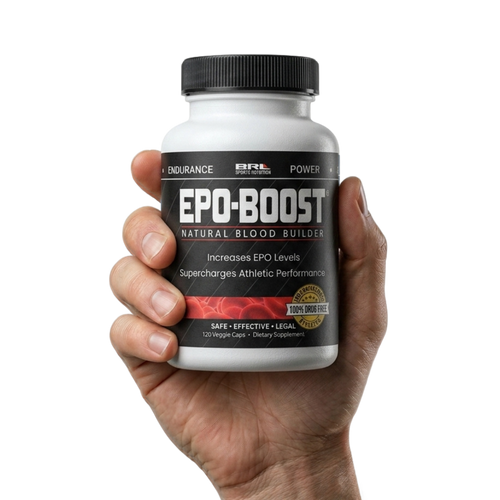
Creatine should be viewed as one part of a comprehensive endurance program rather than a replacement for aerobic training. Long-distance runners continue to benefit most from consistent mileage, structured workouts, and proper recovery. For athletes interested in natural ways to support oxygen delivery during endurance training, EPO: The Natural Advantage for Long-Distance Runners explains another aspect of endurance performance.
Key points to remember:
Creatine gummies for endurance running can be a practical option for runners who want the benefits of creatine monohydrate without measuring or mixing powder. The most important factor is not the delivery format but taking creatine consistently as part of a well-rounded training program.
When choosing between gummies and powder, consider convenience, serving size, and personal preference. BRL Sports' creatine gummies provide 4.5 g of creatine monohydrate per serving and are vegan, gluten-free, non-GMO, and made without artificial colors, artificial flavors, or artificial sweeteners. The suggested use is two to three gummies daily, including on rest days, with adequate water intake throughout the day.
If you're deciding which format best fits your routine, our comparison of Creatine Gummies vs Powder: Which Is Right for You provides a more detailed breakdown. Before making your choice, consider these factors:
Yes. Creatine can be beneficial for runners, particularly those who include interval training, hill repeats, sprint work, or strength training. It is designed to support training quality and recovery rather than replace endurance training.
Research suggests creatine may help support repeated high-intensity efforts, recovery between demanding workouts, and overall training consistency.
Creatine is not generally associated with improving steady-state aerobic endurance. However, it may support the high-intensity aspects of training that contribute to better running performance over time.
Some people experience a small increase in body weight when starting creatine because it draws water into the muscles. This response varies between individuals and is typically different from gaining body fat.
Creatine gummies and powder can both be effective if they provide an appropriate amount of creatine monohydrate. The best choice often comes down to convenience and personal preference.
Creatine can be taken before or after training, or at another consistent time each day. Long-term consistency is generally considered more important than precise timing.
Stay up to date on all of our newest products, deals, and more!