



The Qualification Process for the 2025 Boston Marathon
If you’re trying to qualify for the 2025 Boston Marathon or thinking about racing it one day, pay attention to...
HOME OF NATURAL ENDURANCE AND PERFORMANCE SUPPLEMENTS

Looking for supplements that increase VO2 max to improve your endurance? Some supplements have been studied for their potential to support oxygen utilization and exercise performance, but they work best alongside structured training. Research suggests that science-backed ingredients may complement your efforts to improve VO2 max rather than replace the consistent training required to achieve it.



Supplements that increase VO2 max can support endurance performance, but they are not a substitute for consistent training. VO2 max is influenced by factors such as aerobic conditioning, genetics, training intensity, and recovery. Research suggests that certain science-backed supplements may complement these factors by supporting oxygen utilization or exercise efficiency as part of a comprehensive training plan.
The strongest evidence supports combining supplementation with structured endurance training rather than relying on supplements alone. Athletes who include interval training, long runs, and adequate recovery are generally more likely to improve aerobic fitness than those who depend solely on supplements. Understanding which ingredients have been studied for this purpose can also help athletes make informed choices, which is why we reviewed the available evidence in VO2 Max Supplements Science Review.
Improving VO2 max takes consistency and patience. Supplements may provide additional support when paired with smart training, balanced nutrition, and recovery strategies, but lasting improvements come from following a well-designed endurance program.
Improving aerobic fitness involves much more than supplementation. If you're wondering how to increase VO2 max, the biggest gains come from consistent endurance training, progressive overload, and giving your body enough time to recover between workouts. Supplements can complement these efforts, but they are only one part of the equation.
High-intensity interval training, tempo runs, and longer aerobic sessions all challenge your cardiovascular system in different ways. Over time, these workouts can improve your body's ability to deliver and use oxygen more efficiently. We take a closer look at these evidence-based training methods in How to Increase VO2 Max Naturally, where you'll find practical strategies for building aerobic capacity.
VO2 max is more than just a performance metric. A higher VO2 max often reflects your ability to sustain faster paces and maintain endurance during prolonged exercise, making it an important benchmark for many runners and cyclists. This is one reason it remains a key focus in endurance training, as discussed in Why VO2 Max Matters for Distance Runners.
Supplements can support your training plan, but they are most effective when paired with a well-designed program, proper nutrition, and consistent recovery. Building aerobic fitness is a gradual process, and every training session contributes to long-term progress.
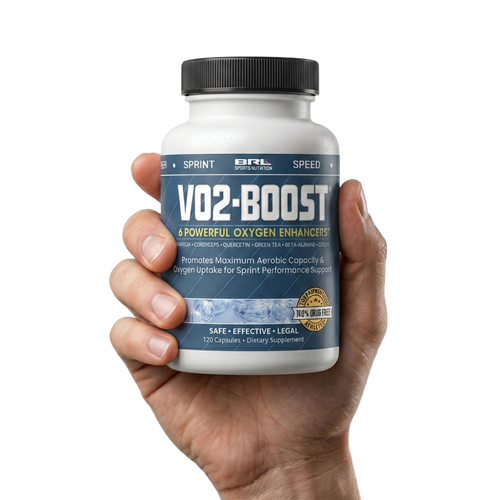
VO2 max supplements for runners should be chosen based on scientific evidence rather than marketing claims. While no supplement can replace consistent endurance training, some ingredients have been studied for their ability to support oxygen utilization, exercise efficiency, and overall endurance performance when combined with a structured training plan.
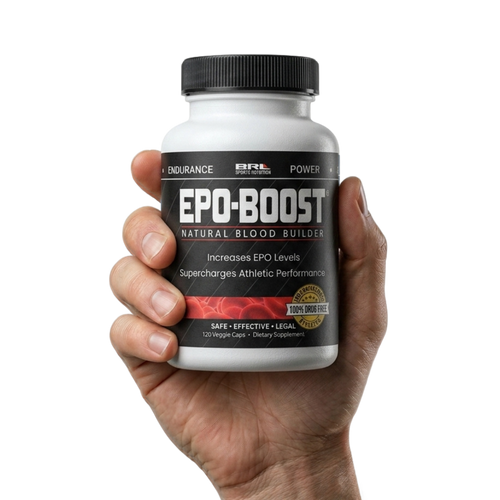
When comparing supplements, it helps to look beyond the front label. Products that use ingredients supported by peer-reviewed research, provide transparent labeling, and are manufactured under rigorous quality standards are generally a better fit for athletes than those making broad or unrealistic performance promises. For runners interested in ingredients that support oxygen delivery and endurance, EPO's Natural Advantage for Runners explains the science behind this approach and how it fits into endurance training.
Choosing the right supplement also means matching it to your goals. Athletes preparing for long-distance races may have different nutritional priorities than those focusing on shorter, high-intensity events. Taking the time to evaluate your training demands, recovery needs, and overall nutrition plan will help you select supplements that complement your performance objectives.
Natural ways to boost VO2 max focus on building aerobic fitness over time rather than looking for immediate results. Supplements can complement this process, but they are most effective when paired with consistent training, proper recovery, and sound nutrition. For athletes searching for the best supplements for endurance runners, the goal should be to choose products that support, rather than replace, these fundamentals.
Improving VO2 max is a long-term process built on consistent habits. Athletes looking to maximize their training time may also benefit from incorporating targeted workouts into their routine. Time-Saving VO2 Max Workouts highlights practical training sessions that can help support aerobic development while fitting into a busy schedule.
Sources:
Some supplements that increase VO2 max have been studied for their ability to support oxygen utilization and exercise efficiency. They are most effective when combined with structured endurance training, proper nutrition, and adequate recovery.
If you're wondering how to increase VO2 max, focus on consistent aerobic training, interval workouts, quality sleep, and balanced nutrition. Supplements may complement these habits but should not replace them.
VO2 max supplements for runners should contain science-backed ingredients and come from reputable manufacturers that prioritize quality, transparent labeling, and third-party testing. The best choice depends on your training goals and nutritional needs.
Yes. Natural ways to boost VO2 max include progressive endurance training, high-intensity interval sessions, proper recovery, and a well-balanced nutrition plan. These habits provide the foundation for long-term improvements in aerobic fitness.
The best supplements for endurance runners are those supported by peer-reviewed research and chosen to complement individual training demands. They should be viewed as part of a comprehensive performance strategy rather than a replacement for consistent training.
Improvements vary based on factors such as fitness level, training consistency, and workout intensity. Many athletes notice measurable changes after several weeks of structured endurance training and appropriate recovery.
Stay up to date on all of our newest products, deals, and more!