

The Qualification Process for the 2025 Boston Marathon
If you’re trying to qualify for the 2025 Boston Marathon or thinking about racing it one day, pay attention to...
HOME OF ALL-NATURAL ENDURANCE AND PERFORMANCE SUPPLEMENTS


Whether it is the start of a season or the middle of a training block, competitive runners understand that track and field demands more than fast times. Sprinting and distance events place very different stresses on the body, yet both rely on consistent training, thoughtful recovery, and intentional nutrition. Supplements often fit into that routine as a way to support workload, adapt to training demands, and stay prepared through long weeks of work.



In both sprint and distance events, the demands placed on the body are specific and often intense. Athletes in track and field face different forms of fatigue, recovery timelines, and training stresses depending on their discipline. Supplements can support these efforts by targeting energy systems, muscle repair, and overall training quality.
Used strategically, supplements may help fill gaps that food alone doesn’t always cover, especially when training volumes rise or recovery windows shrink. For athletes managing double sessions, hard interval days, or strength work on top of running, small advantages can add up over time.
Some common areas where supplements may offer support include:
Many runners look for simple, daily-use products that fit into a routine. Others focus on specific performance markers or event goals. In either case, smart supplementation starts with understanding what the body is being asked to do.
For a more detailed breakdown of common product types and what they’re used for, explore our guide on the Best Supplements for Runners.
Sprinters operate in short, high-intensity bursts that rely on the phosphagen system and fast-twitch muscle recruitment. Their training often includes short recovery windows, strength development, and repeat high-effort sessions. Supplements that support these demands typically focus on power, recovery, and fatigue resistance.
Creatine is one of the most researched supplements in sports performance. It supports rapid ATP regeneration, which is especially important in short, explosive movements like sprint starts or maximum-effort reps. For sprinters working through blocks of acceleration training or heavy lifts, creatine can support sustained power throughout the session.
To better understand how creatine works in sprint and distance settings, take a look at our article on Creatine for Endurance vs Sprint Efforts.
Middle-distance sprinters often experience significant muscular fatigue from hydrogen ion buildup. Beta-alanine supports the body’s natural buffering system, helping manage that fatigue during repeat sprint efforts. When taken regularly, it may support performance in events like the 200m and 400m, where sustained speed becomes more challenging.
Caffeine is commonly used for its ability to support focus and mental sharpness. In sprinting, this can help with starts, technical precision, and performance during meet conditions. Even small improvements in alertness or reaction can make a measurable difference in events where milliseconds count.
Sprinters often look for supplements that support immediate output, mental readiness, and muscular efficiency during short, high-demand efforts.
Runners balance mileage, speed work, and strength sessions, which adds steady stress to the body. Supplements in this space often support energy, recovery, and training consistency.
While carbohydrates are key around workouts, some runners add amino acids, electrolytes, or joint-support formulas as needed. These can help maintain routine without interruptions from soreness or fatigue.
Mineral balance matters during heavy training blocks or in hot weather. Products with sodium, potassium, and magnesium can support hydration and muscle function.
Creatine is becoming more common among endurance athletes. Though often linked to strength sports, it may support daily training and muscle maintenance. To compare delivery formats, explore our article on Creatine Gummies vs Powder: Which Is Right for You.
Recovery support is also part of the routine. Some runners look for products that may ease soreness or improve sleep, helping them bounce back for the next session.
Creatine is often associated with power-based sports, but it has started gaining interest in endurance circles as well. For runners, the question isn’t about bulking or lifting more weight. It’s about whether creatine fits into a training routine built around mileage, recovery, and day-to-day consistency.
More athletes are beginning to look at creatine not for size, but for its role in muscle energy and repair. Runners, especially those managing higher intensity or strength-based work, may find that creatine offers support in areas that matter to long-term performance.
Here’s how creatine may benefit runners in a practical, training-centered context:
Creatine is not essential for every runner, but it is being used more often by those looking to build durability through full training cycles. It is one of the few supplements with both broad application and consistent research backing its use.
Distance runners face a different kind of demand. Long training hours, sustained pace work, and high weekly mileage require strong aerobic capacity and consistent recovery. Supplements used by endurance athletes are often selected for their support of oxygen transport, energy metabolism, and overall resilience across long cycles.
Iron and B12 are common choices, particularly for runners training at moderate altitude or those with low dietary intake. These nutrients play a role in red blood cell production, which is key for maintaining oxygen delivery during long efforts. Some distance runners also look to natural compounds that support endurance by working with the body's oxygen pathway.
ALTITUDE BOOST is an example of a supplement developed specifically for those who train or compete in low-oxygen environments. It supports the body’s ability to adapt to elevation, which can help maintain output when the training setting becomes more challenging.
Carbohydrate blends and hydration mixes are often used around long runs or races. These are typically designed to provide a mix of fast-acting fuel and minerals to help avoid performance drop-off in later stages of a session. Some runners also include adaptogens or antioxidants during high-mileage weeks to help manage cumulative stress.
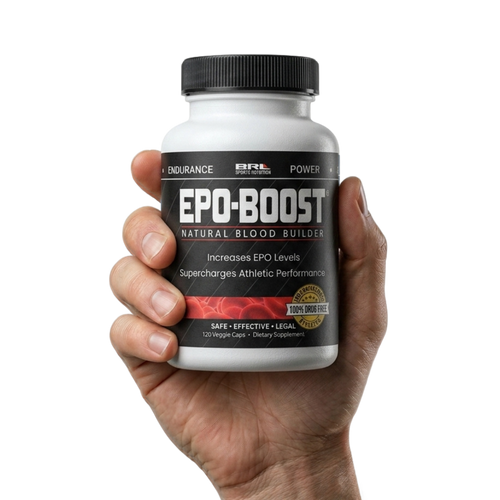
Understanding how a supplement works with the demands of endurance training is key. For a deeper look into this side of performance, visit our feature on EPO: The Natural Advantage for Long Distance Runners.
Every supplement has a job to do. At BRL Sports, we build our formulas to match what athletes actually need during training and competition. From short sprints to long-distance efforts, each product is designed with the demands of real runners in mind.
Each formula begins with a clear outcome. Whether it supports recovery, energy, or aerobic function, every ingredient is included with intention. We avoid fillers and use only what contributes to performance in a measurable way.
Training for speed is not the same as training for endurance. Our approach reflects those differences, from dosage to ingredient selection. Sprinters may need help with repeat power efforts. Distance runners often need support for oxygen delivery, muscle maintenance, and day-to-day recovery.
Our products are used by professionals, university programs, and experienced age group athletes. They rely on BRL Sports because the formulas match the level of work they put in. We keep our process transparent and use research-backed compounds that athletes can trust.
The right supplement stack depends on the type of training you’re doing and the goals you’re working toward. For sprinters, that might mean products that support power, speed repeatability, and short-term recovery between high-effort sessions. Distance runners often build their stack around aerobic support, long-range recovery, and durability across mileage.
No matter the event, the goal is the same. You want products that match your training, fit your routine, and contribute to performance without adding unnecessary complexity. A focused stack allows you to stay consistent through each phase of your season without constantly switching products.
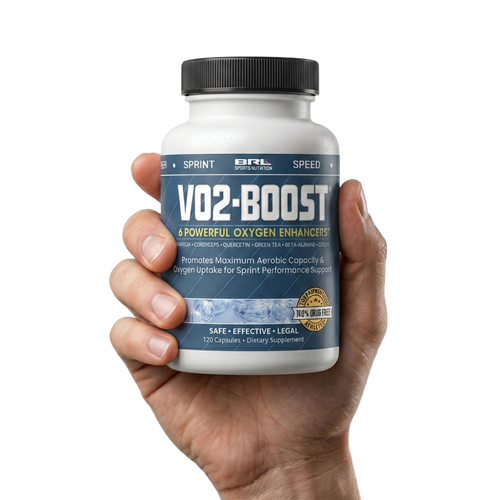
Some athletes build their routine around a few essentials. Others layer in support depending on altitude, training volume, or race schedules. If aerobic performance is a priority, it may also help to understand how your oxygen capacity plays into overall endurance. For a closer look at that side of performance, read our feature on Unlocking Your Endurance Potential: Why VO2 Max Matters.
Choosing the right combination of supplements is not about doing more. It is about using what fits your training and goals, then staying consistent with it through the work ahead.
Sources:
Track and field supplements are products designed to support the specific demands of athletes competing in events such as sprints, middle-distance, and long-distance races. These often include options for recovery, energy, muscle support, and oxygen efficiency.
No, these supplements can be used by athletes at all levels. While elite athletes may have specific dosing or timing needs, most products are suitable for competitive high school, collegiate, or recreational runners with structured training plans.
Yes. Supplements are often used to fill nutritional gaps or support performance without needing major changes to an existing diet. Many runners with clean eating habits still use supplements to maintain training consistency.
Yes, the timing of certain supplements can influence their effectiveness. For example, some ingredients are best taken post-run to support recovery, while others may be more useful before or during training.
This depends on the product. Some, like caffeine, work shortly after use. Others, such as beta-alanine or creatine, may take consistent use over a few weeks to show noticeable effects.
Yes, many runners use combinations that target different needs like recovery, hydration, and energy. It's important to follow dosing guidelines and avoid ingredient overlap between products.
Stay up to date on all of our newest products, deals, and more!