


training

Is a Running Gait Analysis Right for You? What Runners Need to Know
A running gait analysis is a valuable tool that helps runners improve form, efficiency, and injury prevention by evaluating biomechanics in detail. It’s especially beneficial for injury-prone runners, those hitting performance plateaus, beginners, or anyone transitioning to new shoes or terrain. Conducted by trained professionals like physical therapists, athletic trainers, or exercise physiologists, the assessment includes video analysis, functional movement tests, footwear evaluation, and personalized recommendations. This process helps identify inefficiencies and imbalances, guiding targeted improvements in technique, strength, and equipment. Though it requires an upfront investment, a gait analysis can significantly enhance performance and reduce long-term injury risk.
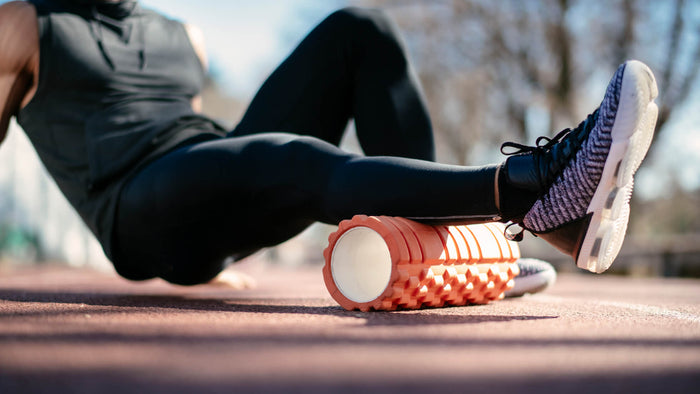
Foam Rolling for Faster Recovery and Injury Prevention
Foam rolling is a simple yet powerful tool that enhances recovery, performance, and injury prevention for endurance athletes. It boosts muscle recovery by increasing blood flow, breaking up adhesions, and reducing soreness after workouts. Foam rolling also improves flexibility and mobility by targeting connective tissues, which helps optimize movement and prevent injuries. Additionally, it addresses muscle imbalances by identifying areas of tension and improving alignment and posture. Beyond physical benefits, foam rolling can also promote mental well-being through its calming, meditative effects, making it a valuable self-care practice when used consistently.
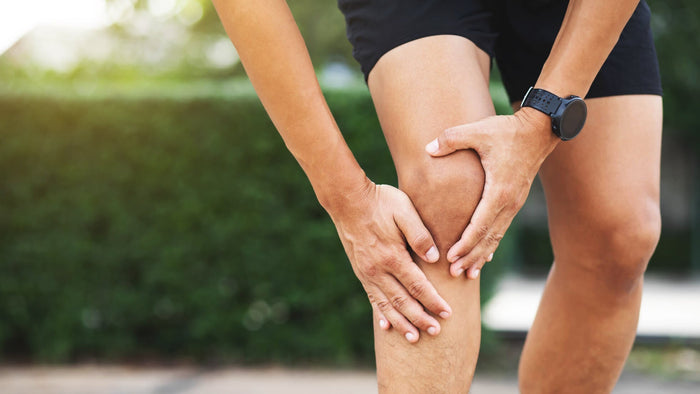
When Should Endurance Athletes See a Physical Therapist?
Maintaining a consistent training schedule can be difficult when injuries or persistent aches begin to appear, and pushing through without treatment often worsens the problem. Physical therapists help endurance athletes prevent minor issues from developing into serious injuries through early assessment and targeted interventions like manual therapy and customized exercises. When injuries do occur, PTs guide recovery by addressing both symptoms and root causes, ensuring a safe return to activity while minimizing the risk of reinjury. Regular physical therapy check-ins also support long-term performance by identifying imbalances, improving strength in weak areas, and optimizing movement patterns. Ultimately, incorporating PT into training is a proactive strategy to stay healthy and perform at your best.

Aid Station 101: What to Pack in Your Drop Bag
Master the art of packing the perfect endurance race drop bag. Discover the essential first aid, clothing, nutrition, and equipment items to include for a smooth, successful competition — whether you're running an ultramarathon, cycling a gravel route, or competing in an Ironman.

Can Epsom Salt Baths Boost Recovery for Endurance Athletes?
Explore the potential benefits of epsom salt baths for endurance athletes. Discover how the magnesium and sulfate in epsom salts may help reduce muscle soreness, promote relaxation, and support overall recovery after intense training sessions and competitions.

Does Workout Timing Matter for Endurance Athletes?
Read about the impact of workout timing on endurance athlete performance and recovery. Discover the pros and cons of consistent training schedules, varied timing, and even twice-a-day workouts. Learn how to find the optimal formula to maximize your training and achieve your athletic goals.

How to Run Your First Marathon: Beginner’s 2025 Guide
Training for your first marathon? Learn how to build an endurance base, incorporate targeted speed work, dial in race-specific training, and master nutrition and hydration for marathon success. Unlock your full potential and conquer the 26.2-mile distance.

Tips for Tackling Your First 50K Ultra
Prepare to conquer your first 50K ultramarathon with this comprehensive guide. Learn strategies for physical training, gear selection, fueling, hydration, and more to ensure a successful and enjoyable 50K debut. Get expert tips to overcome the challenges and savor the accomplishment of completing your first ultra.

Pre-Race Tapering 101: Your Guide to Nailing the Final Countdown
Ready for race day? Your tapering period can make or break your performance. This guide covers taper length, nutrition, and common mistakes.

How to Dress for Winter Running: From Clear, Crisp Days to Polar Vortex Cold
Run strong no matter the season. Our layering & gear guide ensures comfort and safety in any temperature, from mild frost to extreme cold.

Want Better Sleep? 4 Game-Changing Tips for Endurance Athletes
Sleep your way to victory! 4 science-backed sleep strategies for endurance athletes. Boost recovery, enhance training, and crush race day.

8 Essential Exercises to Bulletproof Your Feet and Ankles for Running
Strong feet & ankles mean injury-free running. These 8 essential exercises will boost performance and keep you running strong.